Toxic Mold Testing in Farmington, Connecticut
Toxic Mold Testing in Farmington, Connecticut helps homeowners and property managers investigate suspected harmful mold, unexplained odors, and recurring moisture. We inspect likely problem areas, select appropriate samples, and explain what lab results do and do not establish. Our toxigenic mold testing Farmington CT service is useful after water damage, when visible growth returns, or when you need clear information before deciding what to do next.
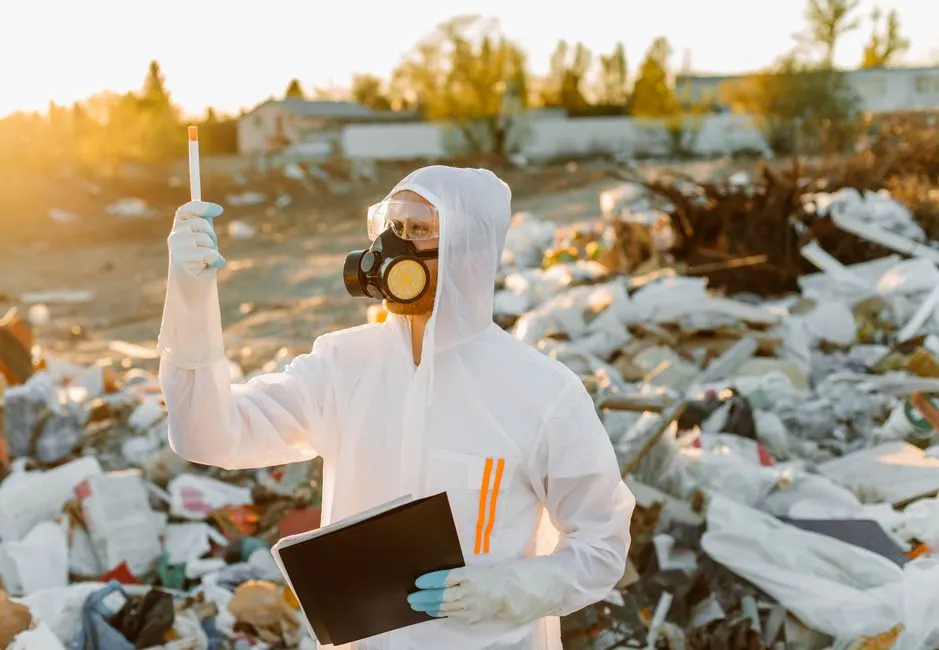
Service overview
Toxic Mold Testing in Farmington, Connecticut
Toxic Mold Testing in Farmington, Connecticut is a building assessment that evaluates suspected mold growth and collects appropriate samples to help identify mold types and moisture conditions. The word "toxic" is often used for molds capable of producing mycotoxins under certain conditions, but a laboratory result alone cannot establish exposure or diagnose illness. We begin with a visual inspection, review the history of leaks or dampness, and determine whether air or surface sampling answers your specific question. The result is practical information about the property, not a medical diagnosis. Basement dampness, attic condensation, crawl space moisture, and hidden leaks can leave a musty smell long after a surface looks dry. In older Farmington homes, seasonal temperature changes and concealed building cavities can complicate the search. Our Farmington Connecticut toxic mold testing approach pairs moisture checks with selective sampling rather than collecting samples at random. If you are looking for toxic mold testing after water damage Farmington Connecticut, we focus first on the affected materials, the source of moisture, and whether the area has dried.
! Common warning signs
A persistent basement odor remains after a leak was repaired
The smell may signal residual dampness or growth behind stored items and finishes. Ignoring the moisture source can allow material damage to continue.
Dark growth returns on a bathroom or bedroom surface
Repeated cleaning can conceal the visible patch without correcting condensation, leakage, or damp materials beneath it. The underlying condition may continue unnoticed.
A recent water event left uncertainty about hidden mold
Wet drywall, insulation, or flooring can remain damp after the surface dries. Delayed investigation makes it harder to understand how far moisture traveled.
Scope of service
What Toxic Mold Testing Includes
Our service combines a property-focused review with sampling where it can answer a useful question. We assess visible conditions, moisture clues, and likely sources, then document sample locations and explain results. Laboratory testing is an additional component when selected; remediation, building repairs, and medical evaluation are separate work. We will clarify the plan and upfront price before testing begins.
-
01
Concern and history review
We discuss the room, odor, visible growth, and any known water event. Your timeline helps distinguish a current moisture problem from an old stain and guides the inspection toward relevant materials. You can show us areas that have been cleaned, repaired, or repeatedly damp.
-
02
Visual and moisture assessment
We inspect accessible surfaces and check selected materials for signs of dampness or water damage. Findings are recorded by area, with attention to basements, attics, and plumbing-adjacent spaces when relevant. Moisture readings help target further investigation; they do not identify a mold species.
-
03
Purposeful sample collection
When sampling is warranted, we select air or surface methods based on the concern and location. Samples are labeled with their collection points and sent for laboratory analysis. The number and type of samples depend on the property question, not a fixed package that treats every home alike.
-
04
Results and next steps
We review observations and laboratory findings together, explain what the evidence supports, and identify unresolved questions. You receive practical recommendations for moisture correction, follow-up inspection, or remediation where appropriate. Testing does not include a medical diagnosis or repair work.
Clear Answers, Practical Next Steps
Toxic mold concerns deserve a measured investigation, not guesswork based on color or odor alone. We connect observations, moisture readings, and laboratory findings so you can understand what is present and what action makes sense. You receive an explanation in plain language, including the limits of each test.
Book testingTools and Testing Methods
Protimeter moisture meter
We use a moisture meter to compare selected building materials and locate readings that differ from nearby dry areas. The readings guide inspection; they do not identify mold species or replace laboratory analysis.
FLIR thermal imaging camera
A thermal imaging camera displays surface temperature differences that may help narrow an area for closer inspection. We confirm suspicious patterns with direct moisture checks because thermal images alone cannot prove a leak or mold growth.
Air sampling pump
An air sampling pump draws a measured volume of indoor air through a sampling cassette when airborne sampling fits the investigation. We record the room and collection conditions so the result has useful context.
Borescope
A borescope can inspect an accessible cavity through a small opening when visible evidence suggests concealed moisture or growth. We explain the proposed access point first and use the view to inform, not replace, other findings.
Local service
Farmington properties face seasonal shifts that can expose moisture problems: cold weather encourages attic condensation on poorly ventilated surfaces, while wet periods can reveal seepage or basement dampness. Older homes may have plaster, layered finishes, or concealed framing that complicates a visual check. We adapt the inspection to the building and avoid assuming that every dark mark is mold. Farmington Connecticut toxic mold testing starts by tracing the concern to its room, material, and moisture history. For same-day toxic mold testing Farmington Connecticut, call to discuss the issue; same-day visits depend on schedule, while laboratory results require separate processing time. We follow applicable safety practices and use relevant EPA and Connecticut Department of Public Health guidance as context, not as a substitute for property-specific findings. Whether you are near Farmington Village or Farmington Woods, we document what we can inspect and clearly identify any concealed area that remains uncertain.
How Testing Works in Farmington
- • Downtown Farmington
- • Farmington Historic District
- • West Farmington
- • Farmington Woods
What changes
Prompt Testing for Farmington Homes
Clear Scheduling and Preparation
When you call about suspected mold, we ask what happened, which rooms are affected, and whether water is still entering. That lets us prepare the right inspection equipment and discuss the next available appointment. Same-day visits can be arranged when the schedule allows; laboratory analysis takes additional time and is not an instant result. A typical residential assessment takes about two to four hours, depending on the number of rooms and whether samples are needed. Our technicians bring moisture meters, sampling supplies, protective equipment, and documentation materials suited to the visit. For toxigenic mold testing Farmington CT, we explain sample choices before collection and record each location. If water is actively entering, stop the source safely and tell us what has already been dried or removed. Call (860) 400-9313 to discuss timing and the details that will help us plan your assessment.
What to Expect During Testing
Discuss the concern
Before the visit, we ask where you noticed odor, staining, or recurring dampness and when the issue began. You can point out past leaks, repairs, or rooms that feel clammy. This conversation usually takes 10 to 15 minutes and helps us plan which areas need closer attention rather than testing every room without a reason.
Inspect the property
We walk through the affected area and nearby spaces, looking for visible growth, water marks, condensation, and ventilation concerns. A hygrometer records relative humidity, while a moisture meter checks selected building materials. We explain what we see as we work, including whether the evidence suggests an active leak, a past event, or an area needing a closer look.
Map suspect areas
When moisture patterns are unclear, we compare readings across surfaces and note where levels differ. A thermal imaging camera can help locate temperature patterns associated with dampness, but it does not identify mold on its own. If a cavity needs inspection, we discuss a limited opening or borescope check before proceeding.
Farmington Toxic Mold Testing FAQs
How much does toxic mold testing cost in Farmington CT?
A focused residential visit commonly costs $250 to $700 in 2026, depending on inspection time, sample count, and laboratory analysis. A visual assessment without samples costs less; multiple rooms, concealed spaces, or several sample types raise the total. We explain the price before work begins. If you are comparing affordable toxic mold testing Farmington options, compare the inspection and reporting included, not just the fee for one sample.
What is toxic mold in Farmington Connecticut?
"Toxic mold" is a common label for some molds capable of producing mycotoxins under certain conditions; it is not a diagnosis or a reliable description based on color. Mold growth indoors signals moisture that deserves attention, while laboratory testing can identify material collected from a specific location. We explain the result in context and do not use a sample to make claims about your health or every room in the property.
How do I test for toxic mold in my Farmington home?
Start by identifying the damp or musty area, then have the building inspected so sampling targets a useful location. We check visible conditions and moisture, then use air or surface collection when it answers a clear question. Store-bought mold test kits may collect material but do not locate a leak or interpret the building conditions. For toxic mold testing near me Farmington CT, call us to discuss your concern and arrange an assessment.
Can toxic mold testing help with health issues in Farmington?
Testing can document mold-related conditions in a building, but it cannot diagnose or treat health issues. A sample identifies what was collected at a particular time and place; it does not establish personal exposure or prove that mold caused symptoms. We can inspect the property and explain our findings. For medical concerns, share your symptoms with a qualified healthcare professional and use the building assessment as separate environmental information.
Related services
Mold Inspection
A visual inspection helps identify visible growth, water staining, and conditions worth sampling. For Farmington properties, pairing inspection with toxic mold testing connects the suspect area to moisture evidence and gives you a more complete understanding than a sample alone.
Mold Testing
Mold testing is the broader process of collecting and analyzing air or surface samples. Toxic mold testing uses that process when a specific concern needs investigation. We select the sample type and locations to answer your question, then explain the limits of the resulting laboratory information.
Schedule Toxic Mold Testing in Farmington
Get clear information about suspected mold, moisture, and the right next step for your property. We explain our sampling methods and results in plain language. Call Farmington Mold Inspection Pros at (860) 400-9313 to discuss your concern and arrange testing.