Bathroom Mold Inspection in Farmington for Clear Answers
Bathroom Mold Inspection in Farmington helps you identify visible and hidden mold, trace the moisture feeding it, and choose sensible next steps. We inspect bathrooms in homes across Farmington, Connecticut, including around showers, tubs, vanities, ceilings, and exhaust fans. If musty odors return after cleaning or paint begins to bubble, our team checks the conditions behind the symptoms and explains what needs attention.
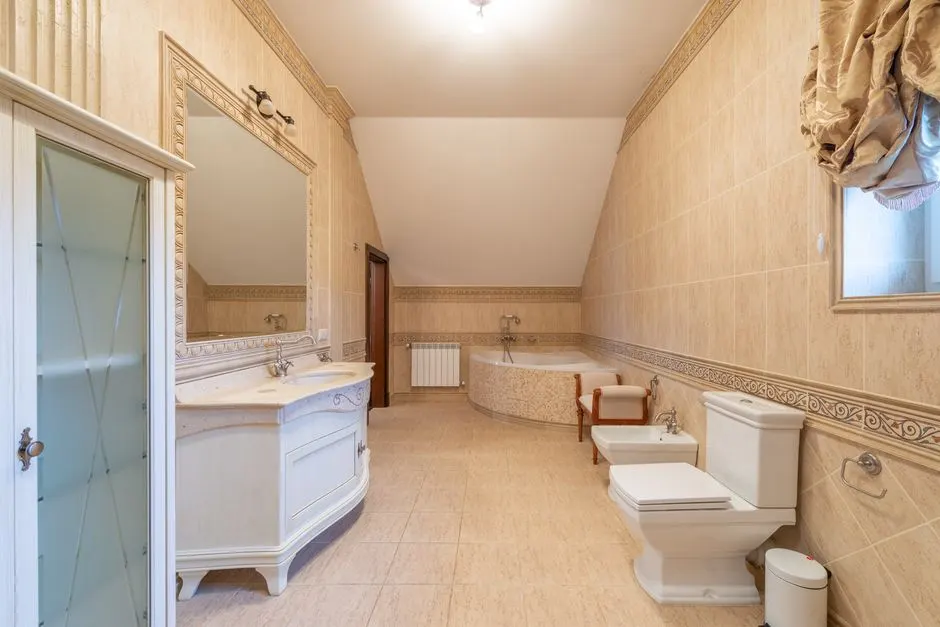
Service overview
Bathroom Mold Inspection in Farmington: What We Check
Bathroom Mold Inspection in Farmington is a visual and moisture-focused building assessment that identifies mold indicators, locates damp materials, and investigates likely sources of excess moisture. We examine grout, caulk, wall and ceiling surfaces, plumbing access points, vanity interiors, and ventilation. A moisture meter helps compare suspect areas with dry materials nearby; thermal imaging can point to temperature patterns worth checking further. The inspection is not a guess based on color alone. We document what we can see, explain what readings mean, and recommend sampling only when it can answer a useful question. Farmington homes face bathroom moisture from daily showers, weak exhaust, plumbing leaks, and condensation on cold surfaces. Older finishes in the Farmington Historic District and updated bathrooms elsewhere can conceal water behind tile or beneath flooring. Our Farmington Connecticut bathroom mold inspection looks for the source as well as the visible growth, because cleaning a stain without correcting dampness often leads to recurrence. If you are searching for bathroom mold inspection behind tiles Farmington CT, we can assess accessible edges and moisture patterns, then explain whether a more invasive check is warranted.
! Common warning signs
Dark grout or caulk keeps growing back after cleaning
Recurring growth can signal failed sealant or damp material beneath the surface, allowing moisture to persist and damage nearby finishes.
Musty odor remains after the bathroom looks clean
An odor may come from a hidden leak, damp vanity material, or poor air exchange, and the source can continue affecting nearby surfaces.
Ceiling paint bubbles below an upstairs bathroom
Water may be traveling through a floor assembly, and delayed repairs can damage ceiling material and create conditions for mold growth.
Scope of work
What Bathroom Mold Inspection Includes
Your inspection covers visible bathroom surfaces, accessible plumbing areas, ventilation, and moisture conditions related to the concern you report. We explain readings and recommended next steps before you decide what work to arrange. Laboratory sampling, opening finished walls, and mold removal are separate services because they require different methods and are not necessary for every inspection.
-
01
Visual surface review
We inspect tile, grout, caulk, tub and shower edges, ceilings, walls, flooring, and accessible cabinetry. We note visible growth, staining, peeling paint, and damaged finishes, then relate those observations to the moisture history you describe.
-
02
Moisture measurements
We use appropriate instruments to compare suspect areas with nearby dry surfaces and record relevant humidity conditions. Readings help identify where closer evaluation may be useful, but a moisture reading alone does not establish mold species or extent.
-
03
Ventilation and leak clues
We check the exhaust fan, accessible plumbing connections, and common paths for water around fixtures. You learn whether the signs fit condensation, inadequate drying, or a possible leak that needs repair before cosmetic work.
-
04
Findings and next steps
We review observations with you and recommend a sensible sequence, such as fixing a leak, improving exhaust, or arranging targeted testing. If additional work is needed, we explain why it is separate from the inspection and what question it addresses.
Know the Cause and Next Step
A careful inspection gives you more than a photo of a dark spot. We connect visible signs with moisture readings, ventilation performance, and likely leak paths, then describe practical options in plain language. You leave knowing what we found, what needs follow-up, and which actions can wait.
Schedule inspectionTools and Inspection Methods
Protimeter moisture meter
We compare moisture readings on suspect bathroom materials with nearby unaffected surfaces. The readings help target further investigation; they do not identify mold or establish species.
FLIR thermal imaging camera
We use thermal patterns to flag areas that may need closer moisture checks around showers, plumbing walls, or ceilings. A camera image is a clue, not proof of a leak or mold.
Hygrometer
A hygrometer records room temperature and relative humidity during the inspection. Those conditions help explain condensation risk and whether bathroom air is drying effectively after bathing.
Air sampling pump
When air sampling is appropriate, a pump draws a measured volume through a sampling cassette. We explain the sampling purpose and limitations and relate results to visual and moisture findings.
Local service
Farmington's cold-season conditions can make bathroom condensation more noticeable, especially when warm shower air meets a cool ceiling or exterior wall. As the weather changes through the year, a fan that moves too little air or a vent path that is restricted can leave surfaces damp long after bathing. We check those conditions alongside plumbing and finish details, rather than assuming every dark mark has the same cause. In older homes around the Farmington Historic District, layered finishes and past repairs can complicate water paths; in updated homes, poorly sealed fixtures or a hidden supply leak can create similar symptoms. Our bathroom ventilation mold Farmington CT checks focus on fan operation, room humidity, and visible moisture clues. If a same-day bathroom mold inspection Farmington Connecticut visit is needed after a fresh leak, call to discuss timing. We follow applicable Connecticut Department of Public Health and EPA guidance where relevant, and explain when work calls for a separate remediation professional.
Bathroom Inspection in Farmington Homes
- • Farmington Historic District
- • Farmington Village
- • West Farmington
- • Farmington Hills
Inspection outcomes
Prompt Bathroom Mold Inspection in Farmington
Practical help for wet bathrooms
Call us when a bathroom leak, new ceiling stain, or persistent odor needs a closer look. We discuss what happened and work with you to arrange a suitable visit; same-day appointments depend on the schedule and urgency. A straightforward bathroom inspection commonly takes 1-3 hours, and a two-person crew is used when access or job conditions call for it. Our technicians bring moisture meters, a hygrometer, basic visual inspection equipment, protective supplies, and sampling materials when appropriate. We focus first on visible water and the likely source, then explain whether the situation calls for leak repair, targeted testing, or remediation. For bathroom mold assessment Farmington homeowners request after a fresh leak, call (860) 400-9313 with the location and timing of the water event. If water is actively flowing, stop the source or contact the relevant repair professional while arranging an inspection.
What to Expect During the Visit
Discuss the history
We start by asking when you first noticed the odor, staining, or recurring growth and whether there has been a leak or renovation. You can point out rooms or fixtures that concern you. This conversation usually takes 10-15 minutes and helps us target the inspection rather than overlook a recurring pattern.
Inspect visible areas
We examine the shower, tub, grout, caulk, ceiling, walls, flooring, vanity, and accessible plumbing connections. We note staining, bubbling paint, damaged sealant, and visible growth, while checking nearby rooms if the moisture trail suggests it. You see the areas we are evaluating and can ask questions as we go.
Measure moisture conditions
We use a moisture meter and hygrometer to compare suspect surfaces and room humidity with unaffected areas. A thermal imaging camera can highlight temperature differences that deserve confirmation; it does not identify mold by itself. This step narrows down likely wet materials and helps us avoid treating an image as a diagnosis.
Bathroom Mold Inspection FAQs
How much does bathroom mold inspection cost in Farmington CT?
A straightforward bathroom inspection commonly costs about $180-$450, depending on size, access, moisture concerns, and whether sampling is added. We explain the price before work begins. Typical 2026 pricing in Farmington reflects the time needed to inspect surfaces, measure moisture, and discuss findings; laboratory analysis or concealed-area access can add cost. A bathroom mold assessment Farmington CT visit does not automatically require testing, so you pay for sampling only when it serves a clear purpose.
How do I remove black mold from bathroom tiles in Farmington?
For a small area on intact, nonporous tile, clean the surface with detergent and water, dry it fully, and correct the moisture source. Do not mix cleaning products, and avoid disturbing extensive or recurring growth. Our bathroom mold inspection checks whether growth is limited to tile or linked to damp grout, failed caulk, a leak, or concealed materials. If the affected area is large or materials are damaged, arrange professional evaluation before removal.
Why does my bathroom keep getting mold in Farmington Connecticut?
Recurring bathroom mold usually means moisture remains from weak exhaust, a leak, condensation, or wet porous material. Run the fan during bathing and for 20-30 minutes afterward, and keep indoor relative humidity below 60 percent. We check ventilation, plumbing connections, and damp surfaces to identify the cause rather than repeatedly clean the same spot. A shower mold inspection Farmington homeowners schedule can also reveal failed caulk or moisture beneath an enclosure.
Can bathroom mold spread to other rooms in Farmington CT?
Mold growth can extend to nearby materials when moisture and suitable surfaces are present; spores also move through ordinary air currents. A bathroom odor alone does not prove growth elsewhere. We inspect adjacent walls, ceilings, and accessible spaces when staining, dampness, or a leak path points beyond the bathroom. If you notice musty odors in a bedroom or hallway, mention them so the inspection can follow the moisture evidence.
Related services
Mold Inspection
A broader inspection is useful when bathroom moisture appears connected to another room or building area. We can compare bathroom findings with nearby walls, basement dampness, or attic condensation and help you understand whether the same water or humidity issue affects more than one space.
Mold Testing
Testing adds laboratory analysis when a specific identification question matters. We first inspect the bathroom and explain whether a surface sample or air sample fits that question. Results support-not replace-the moisture investigation, since the source of dampness still needs correction.
Book Bathroom Mold Inspection in Farmington
Recurring growth, damp drywall, or a musty shower deserves a direct answer. Our team checks the moisture source, explains what we find, and gives you practical next steps. Call Farmington Mold Inspection Pros at (860) 400-9313 to schedule your inspection.