South Farmington overview
Mold Inspection in South Farmington Homes
Why we work here
South Farmington has a mix of older homes, riverfront properties, and newer renovations, so moisture concerns vary from one street to the next. Properties near the Farmington River or in flood-prone areas deserve careful attention after heavy rain, while basements in other parts of the area can stay damp through a humid summer or a wet November. We serve this part of Farmington because homeowners need an inspection that connects visible symptoms to likely moisture pathways, not just a quick look at the wall. If you live in ZIP code 06032, we can assess the affected room, accessible basement or attic areas, and nearby conditions that may explain repeated growth.
Find moisture sources before mold spreads through your home
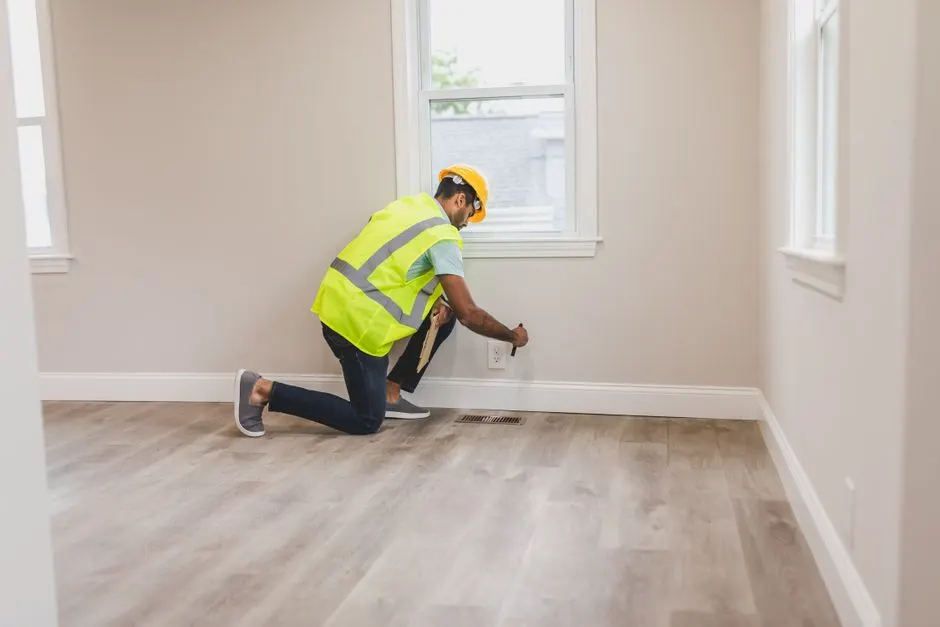
Mold Inspection in South Farmington is a property assessment that identifies visible mold, moisture conditions, and likely sources of water intrusion when a home shows signs of dampness or musty odors. We work across South Farms, River Glen, and Red Oak Hill, where older homes, finished basements, and changing ground moisture can complicate a simple visual check. Our inspections start with your concern, whether it is a stain after rain, recurring condensation, or a room that smells musty despite cleaning. We document accessible areas and explain what each finding means in everyday language.
For a South Farmington mold inspection, we use tools suited to the question rather than testing every room by default. A moisture meter helps assess suspect materials, while a thermal imaging camera can point to temperature patterns worth checking more closely. If sampling is appropriate, we explain the purpose and collect it in the affected area. We also offer mold inspection near South Farmington for residents whose property sits close to the Plainville border or Farmington Village.
You receive a clear account of observed conditions, moisture readings where relevant, and practical recommendations. We do not treat a lab result as a substitute for finding the water source. Our goal is to help you decide whether the next step is leak repair, drying, further testing, or qualified remediation.