Thermal Imaging Inspection in Farmington, Connecticut
Thermal Imaging Inspection in Farmington, Connecticut helps you spot temperature patterns linked to hidden leaks, damp insulation, and possible moisture behind finished surfaces. We use a thermal imaging camera to check the areas you are concerned about, then confirm suspicious readings with moisture testing where appropriate. It is a practical first step for Farmington homeowners dealing with basement dampness, attic condensation, water damage, or unexplained musty odors.
Service overview
Thermal Imaging Inspection in Farmington
Thermal Imaging Inspection in Farmington, Connecticut is a non-invasive building inspection that uses temperature differences to identify areas that deserve moisture investigation. A thermal camera does not see through walls or identify mold; it displays surface temperature patterns that can point to wet materials, air leakage, missing insulation, or a plumbing concern. We scan the areas tied to your symptoms, compare unusual patterns with surrounding surfaces, and use a moisture meter to check selected locations. That combination helps you understand where further testing or a small, targeted opening may be useful. Farmington homes face familiar moisture pathways: basement seepage after heavy rain, attic condensation during cold weather, and hidden leaks near bathrooms or kitchen plumbing. Older buildings in the Farmington Historic District can also have layered finishes that make visual checks less conclusive. Our infrared inspection Farmington CT service pairs thermal scans with practical follow-up checks, so you can investigate a concern without guessing. If you are searching for thermal inspection for hidden moisture Farmington Connecticut, we explain what the image indicates and what it cannot establish.
! Common moisture concerns
A ceiling stain returns after the visible surface dries completely.
A concealed plumbing leak can keep wetting insulation or framing, causing finish damage and creating conditions that support mold growth over time.
Basement walls feel damp after rain, but no water is visible.
Repeated dampness can damage stored belongings, finishes, and flooring, while persistent humidity makes the basement less comfortable and harder to use.
An attic smells musty during cold weather despite no obvious roof leak.
Condensation can wet roof sheathing and insulation, leading to staining, reduced insulation performance, and a recurring odor if airflow or moisture conditions remain unchanged.
Scope of work
What thermal imaging inspection includes
Your visit includes a focused scan of agreed areas, a review of relevant room conditions, and an explanation of temperature patterns that stand out. We verify selected locations with direct moisture checks when suitable. The scan does not identify mold, replace a plumbing test, or include laboratory sampling automatically; we explain those distinctions and recommend a separate service only when it answers a different question.
-
01
Concern-based surface scan
We scan the walls, ceilings, floors, and accessible surfaces related to your reported concern. The camera records surface temperature patterns, helping us identify places that differ from nearby areas and merit a closer look.
-
02
Room condition context
We consider indoor temperature, humidity, airflow, and recent sunlight before interpreting a reading. These details matter because a cold area can result from insulation or a draft rather than moisture, and you deserve an explanation that considers both.
-
03
Selected moisture checks
Where appropriate, we use a moisture meter to check accessible materials near a flagged pattern. The reading adds a direct measurement to the camera observation, though material type and access affect what can be verified without opening a surface.
-
04
Findings and next steps
We review the observed patterns and any supporting readings with you before the visit ends. You learn which concerns need monitoring, which call for leak investigation, and whether a separate mold assessment or sampling service would answer your next question.
Clearer answers with less disruption
A thermal scan gives you a quick visual map of temperature differences, not a mold diagnosis. We explain the findings in plain language and connect each flagged area to a sensible next step, helping you avoid unnecessary demolition while keeping moisture concerns in view.
Schedule inspectionTools and inspection methods
FLIR thermal imaging camera
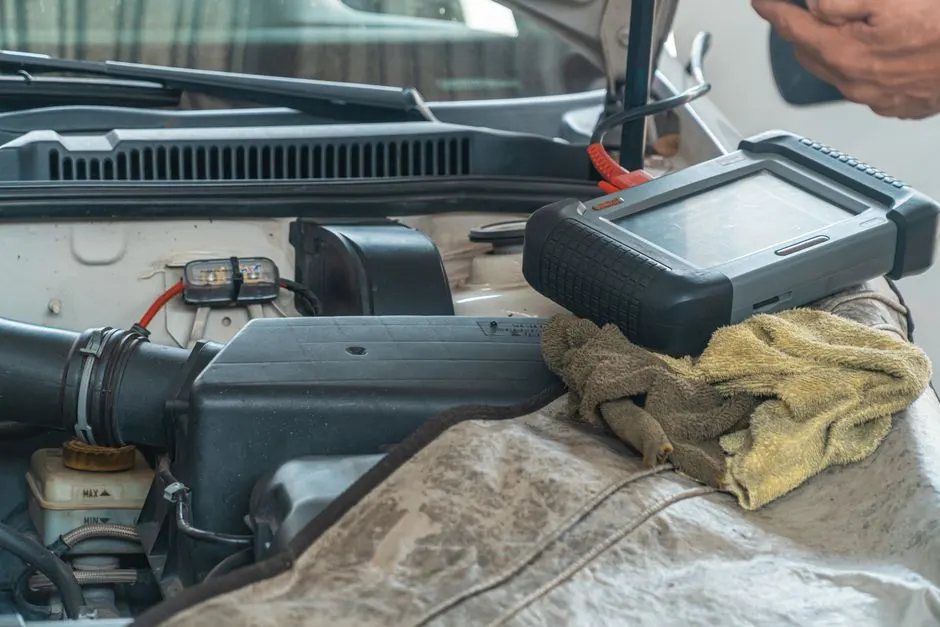
The camera displays surface temperature patterns across accessible building areas. We use the images to guide closer checks, not to claim that the camera sees through walls or identifies mold.
Protimeter moisture meter
A moisture meter checks selected materials near a thermal anomaly. Its readings help compare a suspected area with nearby surfaces and add direct measurement to the camera's temperature observations.
Hygrometer
We use a hygrometer to note indoor humidity and temperature conditions that can affect condensation and surface readings. Those measurements provide context for interpreting a scan in basements, bathrooms, and attics.
Borescope
Where an existing opening provides suitable access, a borescope can help view a concealed cavity. We use it only when it adds relevant visual information and explain that it does not replace a full opening or laboratory test.
Local inspection
Farmington's cold-season temperature differences can make attic condensation and cold exterior walls more noticeable from late fall through winter. During November and other heating months, we ask about recent heating patterns and direct sunlight because both can change surface readings. Spring rain can bring basement seepage, while summer humidity can raise concerns about crawl spaces and HVAC surfaces. Farmington properties range from older homes with layered finishes to updated spaces with finished basements, so we adapt the scan to materials and access rather than assuming every wall behaves alike. Our infrared thermography Farmington CT visit checks the areas connected to your concern and uses moisture readings where appropriate. If you are considering thermal imaging after water damage Farmington CT, tell us when the event occurred and whether drying equipment has been used; that history affects what a scan can show. We explain relevant limits and follow applicable guidance, including EPA and Connecticut Department of Public Health information, without presenting a thermal image as code compliance or a mold diagnosis.
How scans work in Farmington homes
- • Farmington Historic District
- • Downtown Farmington
- • West Farmington
- • Farmington Village
Inspection examples
Prompt appointments in Farmington
Plan a focused inspection visit
We schedule thermal imaging appointments for Farmington homeowners and property managers who need a closer look at a suspected leak, damp area, or unexplained temperature change. When you call, tell us which rooms are affected, whether water damage occurred, and how long the issue has been present; those details help us prepare the right equipment. A typical residential visit takes about 60 to 120 minutes, and a focused single-room scan may take less. Our technician arrives with a thermal imaging camera, moisture meter, and basic inspection equipment suited to the concern. We explain the readings as we work and review the next step before leaving. For urgent water damage, call (860) 400-9313 so we can discuss the concern and the earliest suitable appointment. An infrared inspection Farmington CT visit is scheduled around the access and areas involved, with upfront pricing discussed before work begins.
What to expect during inspection
Review the concern
We begin by asking where you noticed staining, odors, dampness, or a change in indoor comfort. You can point out recent leaks, repairs, or rooms that feel unusually cold. This conversation takes about 10 to 15 minutes and helps us focus on the right walls, ceilings, floors, and nearby building systems.
Check room conditions
Before scanning, we note indoor temperature, humidity, and recent conditions that could affect surface readings. A hygrometer helps us understand room humidity, while a quick visual review checks for visible water damage, condensation, or blocked access. You will know which areas we plan to examine and why.
Scan selected surfaces
We use a thermal imaging camera to scan the areas connected to your concern, comparing suspicious patches with nearby surfaces. A scan often takes 20 to 45 minutes in a typical home, though larger or furnished spaces take longer. We explain the screen as we go, so a color pattern is never left unexplained.
Thermal imaging questions
How does thermal imaging detect mold in Farmington CT?
Thermal imaging does not detect mold; it shows surface temperature patterns that can point to conditions associated with moisture. We scan the area, compare it with surrounding surfaces, and check selected locations with a moisture meter. If findings support further investigation, we explain options such as visual mold assessment or sampling. Mold requires appropriate inspection or testing; a thermal image alone cannot identify mold species, prove growth, or establish health risk.
What is infrared inspection in Farmington Connecticut?
Infrared inspection in Farmington Connecticut uses a thermal camera to display surface temperature differences that may indicate a hidden building concern. The scan is non-invasive, but its results need context: sunlight, insulation, drafts, plumbing, and room temperature can all affect a pattern. We use the images to guide follow-up checks, not as a stand-alone diagnosis. A standard residential visit takes about 60 to 120 minutes, depending on access and the areas involved.
How much does thermal imaging inspection cost in Farmington?
A focused residential thermal imaging visit commonly costs about $180 to $450 in 2026, depending on the number of areas and verification needed. A single-room scan with accessible surfaces costs less than a multi-level investigation involving several suspected leak paths. We explain the price before work begins. The fee covers the thermal scan and findings review; laboratory sampling or repair work is a separate service when needed.
Can thermal imaging find leaks behind walls in Farmington CT?
Thermal imaging can reveal temperature patterns consistent with a hidden leak, but it cannot confirm water behind every wall. Results are strongest when a leak creates a surface temperature difference and conditions are suitable for scanning. We compare the pattern with nearby surfaces and use a moisture meter to verify accessible points. Thermal imaging after water damage Farmington CT can help prioritize checks, while plumbing tests or selective access may still be needed.
Related services
Mold Inspection
A thermal scan points to temperature anomalies; a broader Mold Inspection evaluates visible conditions, moisture sources, and affected materials. We connect the two when a Farmington homeowner has a damp wall, recurring odor, or staining and needs a clearer picture of the concern.
Mold Testing
Thermal imaging cannot identify mold or measure airborne spores. Mold Testing can answer a separate sampling question when the inspection findings and your situation support it. We explain how a scan may help select a relevant area without treating temperature patterns as laboratory evidence.
Book Thermal Imaging Inspection in Farmington
Get a focused scan and a plain explanation of what the temperature patterns show. Our team pairs thermal observations with appropriate moisture checks and tells you the next practical step. Call Farmington Mold Inspection Pros at (860) 400-9313 to schedule your visit.