Farmington Mold Inspection Pros
Local mold inspection

Mold Inspection in West Farmington for Hidden Moisture

Mold Inspection in West Farmington helps you identify visible growth, hidden moisture, and likely causes before repairs begin. We inspect homes and commercial spaces around West Farms, Tunxis Hill, and Farmington Woods, with close attention to basements, attic condensation, and crawl spaces. Our West Farmington mold inspection approach connects what you see with measurable moisture conditions, so you can choose a clear next step rather than guessing.

West Farmington
Local service
(860) 400-9313
Direct contact
Cold-weather condensation checks
November focus

West Farmington overview

Mold Inspection in West Farmington

Why we work here

West Farmington has a mix of suburban residential properties, newer construction, and wooded lots with crawl spaces. Those conditions create different inspection needs within a short drive: a newer home can have a concealed plumbing leak, while a shaded crawl space can stay damp after wet weather. In areas with a high water table, basement seepage and persistent humidity deserve close attention. We serve this community because homeowners need answers tied to the actual building, not a generic checklist. Our team looks at how water entered, where it traveled, and whether the material is still wet. That distinction helps you choose a sensible repair path and avoid paying for work that does not address the source.

Find the moisture source before mold spreads further

Mold Inspection in West Farmington is a property assessment that identifies visible mold, moisture conditions, and likely sources so owners can decide what testing or repairs are needed. Farmington Mold Inspection Pros serves suburban residential homes and commercial properties across this part of Farmington, including West Farms, Tunxis Hill, and Birchwood. Newer construction does not rule out problems: a small plumbing leak behind a finished wall or a poorly ventilated bathroom can keep materials damp long enough for growth to start. Our inspections begin with your concern, whether that is a musty basement, a ceiling stain, or a pre-purchase question. We check the affected area and nearby building materials, then explain whether mold testing is useful or whether the evidence points first to a moisture repair. We also work around Meadow Road and Farmington Woods, where wooded lots with crawl spaces make access and ventilation details important. For homeowners looking for mold inspection near West Farmington, we provide a focused visit, practical findings, and clear next steps rather than assuming every stain needs sampling.

Services available

West Farmington Mold Inspection Services

West Farmington properties need different inspection plans depending on where moisture is collecting: a basement wall, an attic roof deck, an HVAC cabinet, or a crawl space under a wooded lot. We start by inspecting the reported area and checking adjacent materials, then recommend sampling only when it can answer a useful question. If you are searching for mold inspection in West Farmington near me, tell us what you have noticed, when it began, and whether there was a leak or water event. That information helps us focus the visit.

How we work locally

How We Inspect West Farmington Properties

Challenge: Wooded lots can leave crawl spaces damp after prolonged rain.

Leaf cover and limited sun can slow drying around some West Farmington homes. A crawl space may have a musty odor or damp framing without water visibly pooling, so a quick look from the access hatch may not explain the full moisture pattern.

Response: We inspect accessible framing, ground conditions, vents, and nearby plumbing, then compare readings at affected and unaffected points. If access is restricted or unsafe, we explain the limitation rather than guessing. We identify whether the concern points to drainage, ventilation, a leak, or a combination.

Challenge: Cold-season attic condensation can resemble a roof leak.

When warm indoor air reaches cold roof materials, moisture can form in patterns that look like water intrusion. In West Farmington, winter temperature swings may make the difference important: the repair for a roof leak is not the same as correcting ventilation or air leakage.

Response: We check the location and spread of staining, nearby roof details, insulation, and ventilation paths. We ask when the marks appear and whether they change after rain or cold spells. That history, combined with moisture readings, helps us point toward the right next check.

Neighborhoods we serve

West FarmsTunxis HillBirchwoodMeadow RoadFarmington WoodsWest Farmington residential areas

West Farmington service area

West Farmington

Latitude: 41.73

Extract Directions

Local inspection examples

Inspection example: 1

West Farms

Issue

A West Farms homeowner noticed a musty basement odor after repeated wet weather, but no standing water or obvious growth was visible from the stairs.

Work

We checked the basement perimeter, utility penetrations, and accessible storage area, comparing moisture readings at the odor location with a dry reference point. We asked about rain timing and prior seepage, photographed the affected materials, and explained which areas needed drying or follow-up. Sampling was reserved for a situation where it could answer a specific question.

Outcome

The inspection plan narrowed attention to the damp section and its likely water pathway instead of treating the whole basement as affected. The homeowner received a room-by-room record and clear priorities for moisture control and any later verification.

Inspection example: 2

Meadow Road

Issue

A homeowner near Meadow Road found dark spotting at an attic edge during cold weather and was unsure whether a roof leak or condensation was responsible.

Work

We inspected the visible roof-side materials, nearby insulation, and ventilation path, then compared the stain pattern with moisture readings and the customer's weather history. The assessment distinguished what could be observed from what required a roofer's access or repair. We documented the area and explained the next check without identifying mold species by color.

Outcome

The homeowner had a focused follow-up plan covering the attic area and the moisture pathway, rather than an unsupported assumption about the cause. Documentation gave the property owner a clear basis for discussing ventilation or roof repairs.

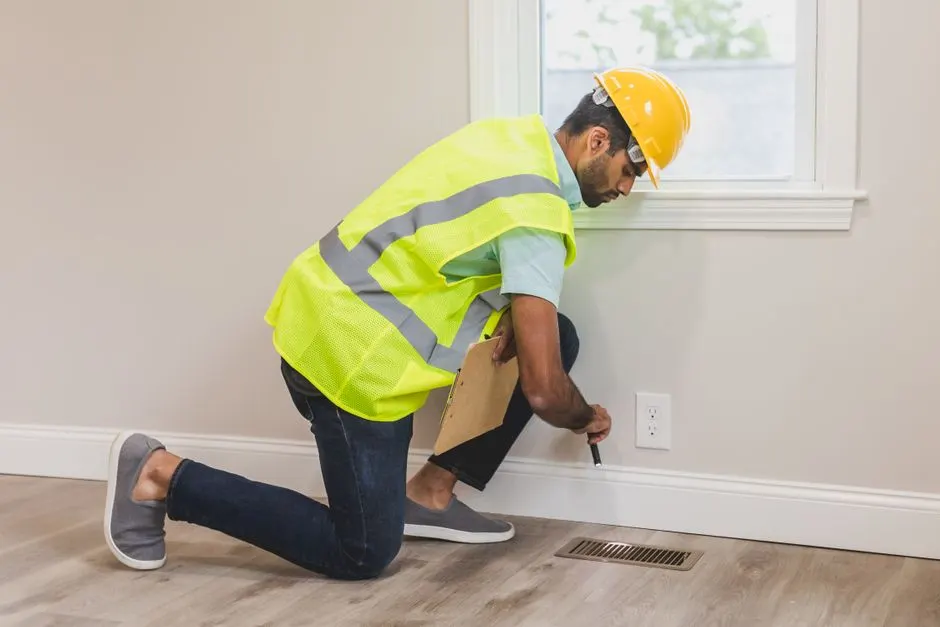
A construction worker wearing a hard hat and safety vest stands indoors with a clipboard.
Inspection approach
Inspection approach

What We Document in West Farmington

Findings tied to the building

Our West Farmington inspection records focus on the property in front of us: where staining appears, whether materials remain damp, and what could be feeding the condition. On a basement visit, we may compare readings along the foundation and at a dry reference area; on an attic visit, we check whether the pattern follows a roof detail or a ventilation path. We use photos and notes to make locations understandable after the appointment. Where testing is justified, sampling cassettes or swabs are labeled and collected for the question being investigated. We do not publish invented job counts or success percentages. Instead, our West Farmington mold inspection work gives you observations, limits, and next steps that can be checked against the building and any later repairs.

3
Inspection priorities

Local questions

How much does mold inspection cost in West Farmington?

A focused residential inspection commonly costs about $250-$600 in 2026 and takes roughly 1.5-3 hours. Price depends on property size, the number of affected areas, access, reporting needs, and whether laboratory samples are useful. A sample can add about $75-$150 each, depending on the test. We discuss the price before work begins, so call with your address and the areas you want checked.

Who is the best mold inspector in West Farmington Connecticut?

Choose an inspector who checks moisture sources, explains testing limits, and documents findings by room and material. Farmington Mold Inspection Pros serves West Farmington and can assess basements, attics, crawl spaces, and visible concerns. Ask what the visit covers and how sampling decisions are made. For a West Farmington mold inspection, clear findings and practical next steps matter more than claims based only on a mold label.

Do I need mold testing or mold removal in West Farmington?

You need an inspection first to determine whether testing, moisture repair, or removal fits the evidence. Mold testing can answer a specific question about a sample, while removal addresses affected material after the source is understood. If you see growth or smell a persistent odor, we inspect the area and check for leaks or dampness. Mold testing and removal West Farmington should be planned around the property, not assumed from a stain alone.

Credentials and compliance

Clear Standards, Honest Findings

We explain what an inspection can establish and distinguish it from regulated construction, health diagnosis, or repair work. Our recommendations account for Connecticut building codes and relevant guidance from the Connecticut Department of Public Health and EPA. We use appropriate protective practices and follow OSHA safety principles for inspection conditions. If a job requires specialized remediation or construction licensing, we identify the appropriate credentialed professional for that work rather than presenting an inspection as a repair license. Ask us about the inspector's applicable training and certification before booking. We document observations and limitations plainly for West Farmington property owners.

Connecticut mold inspection license
Connecticut home improvement contractor registration
Certified Mold Inspector IICRC
When To Call

When to Call for Mold Inspection

Call for an inspection when a musty smell persists, visible growth returns after cleaning, or water damage has left a stain or soft material. In West Farmington, damp basements, wooded-lot crawl spaces, and cold-season attic condensation are common places to investigate. If you are searching for affordable mold inspection West Farmington, describe the affected area and recent water history so the visit can stay focused. Do not cover a damp patch with paint or sealant before its source is understood. A prompt check is especially useful after a leak, overflow, or repeated seepage.

1. Musty odor that returns after airing

A persistent odor can indicate damp material or hidden growth behind stored items, a finished wall, or flooring. In a West Farmington basement, check whether it becomes stronger after rain or when the room is closed. Arrange an inspection if the smell continues or comes with staining.

2. Dark spots repeatedly return on bathroom surfaces

Recurring spots near a shower, ceiling, or vanity can point to trapped moisture, weak exhaust, or a plumbing leak. Cleaning the surface without changing the moisture conditions often leads to recurrence. We check nearby materials and ventilation, then explain whether sampling or repair is the next step.

3. Water stain spreads after rain or snowmelt

A changing stain may reflect water entry through a roof, foundation, or nearby opening. Photograph its size and note when it changes; that timing helps narrow the cause. If the material is soft, wet, or growing rapidly, arrange an inspection promptly and address active water entry.

4. Crawl-space framing feels damp or smells earthy

Damp framing can persist even when the home's main rooms look dry. Wooded lots and limited airflow can make crawl spaces harder to dry. An inspection checks accessible surfaces and moisture patterns, while safe access determines how much of the space can be examined.

5. Condensation appears on attic sheathing

Moisture on roof sheathing during cold weather can point to warm indoor air reaching cold surfaces, though a roof leak must also be considered. Repeated wetting can affect insulation and wood. We compare the pattern with ventilation, weather history, and nearby roof details.

Local Problem Patterns

Common West Farmington Moisture Problems

West Farmington's Connecticut weather brings wet spring periods, humid summer air, leaf fall, and winter temperature differences that can expose moisture weaknesses. Newer construction still has plumbing connections, bathrooms, attics, and HVAC systems that need proper drying and airflow. In areas with a high water table, basement moisture may recur after prolonged rain. A West Farmington Connecticut mold inspection looks at the actual building and water pathway rather than relying on age or appearance alone. We connect visible conditions to likely sources and explain what should be verified next.

Basement dampness recurring after prolonged rain

Why it happens here

Rain and seasonal ground moisture can press water toward foundation walls or collect at low points. In areas with a high water table, dampness may remain even when no pipe is leaking. Finished walls and stored belongings can conceal the full extent of the affected surface.

Our approach

We compare moisture conditions around the affected area, inspect accessible foundation edges and penetrations, and ask how the problem changes with weather. We document what is visible and distinguish water entry from indoor humidity where possible, then identify practical drying and follow-up priorities.

Attic condensation during cold Connecticut nights

Why it happens here

Warm indoor air can travel through gaps and reach cold roof materials, where moisture forms. Limited ventilation or insulation gaps can worsen the pattern. The resulting marks can resemble a leak, so timing and location matter before repairs are chosen.

Our approach

We examine the stain distribution, accessible insulation, ventilation, and roof details. We compare the customer's observations with moisture readings and note when a roofer or insulation professional should inspect further. That keeps the recommended correction tied to the actual moisture path.

Crawl-space moisture beneath wooded residential lots

Why it happens here

Shade, damp ground, and limited air movement can keep crawl spaces humid after wet weather. Moisture may affect wood or collect near plumbing without being visible from the main floor. Access limitations can also leave homeowners unaware of changes below the house.

Our approach

We inspect accessible areas for damp materials, visible growth, and possible water entry, and we record any access limits. Moisture readings help show whether the concern is localized or broader. We explain whether ventilation, drainage, leak repair, or further assessment deserves priority.

Hidden leaks behind newer finished walls

Why it happens here

Newer construction can still develop slow leaks at supply lines, appliance connections, or bathroom fixtures. A small amount of water may travel within a wall before staining appears. Paint and trim can hide early signs while materials remain damp behind them.

Our approach

We use non-invasive moisture checks first and investigate the visible pattern around plumbing and adjacent rooms. Thermal images can guide attention but do not prove a leak by themselves. We explain whether targeted access or a plumbing check is needed before considering mold sampling.

Year-Round Coverage

West Farmington Mold Concerns by Season

As November brings colder nights, West Farmington homeowners should watch for condensation on windows, attic surfaces, and cold water lines. Winter can make indoor humidity and ventilation problems more visible; spring rain and snowmelt may expose basement seepage. Summer humidity can slow drying in crawl spaces, while fall leaves and wet weather can affect drainage around wooded lots. If you are considering same-day mold inspection West Farmington Connecticut, tell us whether the concern followed a leak, rain, or a seasonal change. That history helps us inspect the right area.

Spring

Rain and snowmelt can reveal seepage at basement walls and floor joints. Check stored belongings for dampness after wet periods, especially near foundation edges. A stain that grows during rain deserves attention even if the surface dries later.

Tip

Note when water appears and photograph the area before drying it. Keep belongings away from damp walls, and call if odors or staining continue after the weather clears.

Summer

Humid air can linger in basements and crawl spaces, while air conditioning creates cooler surfaces where condensation may collect. Bathroom and kitchen moisture can also build when exhaust fans are not used or do not move air effectively.

Tip

Use exhaust fans during bathing and cooking, and monitor damp lower-level rooms. If a musty odor persists despite ordinary ventilation, have the moisture source assessed.

Fall

Wet leaves and seasonal rain can slow drying near foundations and wooded lots. As outdoor temperatures drop, attic ventilation and insulation gaps become more relevant. Check gutters and downspouts for visible blockages without entering unsafe areas.

Tip

Before sustained cold weather, look for new ceiling marks and note attic odors. Arrange an inspection if staining returns or the crawl space remains damp after dry weather.

Winter

Cold exterior surfaces increase the chance of condensation where warm, humid indoor air reaches windows, pipes, or attic sheathing. Ice and snow can also make water-entry patterns harder to assess until conditions change.

Tip

Keep indoor humidity under observation and use kitchen and bathroom exhaust. If condensation repeatedly wets building materials, arrange a focused inspection rather than covering the marks.

Hiring Smart

Questions to Ask Before Hiring

A good West Farmington inspector should explain what will be checked, why sampling may or may not help, and how moisture findings connect to your concern. Ask how the visit will cover your basement, attic, or crawl space and what the report will include. Clear answers matter more than a promise to find mold everywhere. You should know whether the person inspecting is also recommending remediation, how samples are handled, and what access you need to provide. These questions help you choose a service that fits the property and avoids unnecessary work.

  1. 1

    "What areas will you inspect based on my symptoms?"

    Why it matters

    A useful answer connects your concern to specific spaces and adjacent materials. If you report a basement odor, the inspector should explain whether they will check the foundation edge, nearby plumbing, or an adjoining crawl space. A fixed checklist without regard to your property can miss the source.

  2. 2

    "How do you decide whether mold testing is necessary?"

    Why it matters

    Sampling should answer a defined question, not replace a moisture investigation. Ask what a sample would establish, where it would be collected, and how results will be interpreted. A careful inspector will explain the limits of testing and when visible conditions are enough to recommend moisture correction.

  3. 3

    "Will I receive findings tied to exact rooms and materials?"

    Why it matters

    Location-specific notes and photographs make it easier to act on the inspection. Ask whether the report identifies moisture readings, visible conditions, access limits, and recommended next steps. General statements about mold do not help a West Farmington owner decide which repair should happen first.

  4. 4

    "How do you handle a crawl space with limited access?"

    Why it matters

    Safe access determines what can be inspected. The answer should explain how the inspector records inaccessible sections and avoids claiming to assess areas they could not reach. That is especially important for wooded-lot properties where a crawl-space concern may be central to the odor or dampness.

  5. 5

    "Can you explain the price before collecting samples?"

    Why it matters

    You should understand the inspection and sampling costs before work begins. Ask what changes the price, how many samples are proposed, and what each sample is intended to answer. Direct pricing helps you decide whether testing adds useful information to the inspection.

Knowing the Area

Landmarks That Help Us Navigate

Local landmarks make it easier to clarify an address and plan access without treating the whole area as interchangeable. We use your street, building entrance, and parking instructions to reach the right door, then carry inspection equipment only where it is needed. Around busy shopping areas, please mention loading or visitor parking rules when booking. For homes farther from main activity, a clear note about the driveway or access hatch helps us begin on time.

Landmarks

  • Tunxis Community College

    The college is a familiar reference point when customers describe addresses in the surrounding West Farmington area. We still confirm the property address and entry details, especially where a business or multi-unit building has a separate visitor entrance.

  • West Farms Mall

    The mall helps orient customers and technicians to the West Farms commercial area. Nearby residential and retail calls can have different parking and access needs, so we confirm the exact building and affected space before the visit.

  • Farmington River

    The river is a useful local reference when discussing nearby properties and wet-weather concerns. We do not assume a specific home has flood exposure; we inspect the site's actual water marks, drainage clues, and moisture conditions.

Commercial Districts

  • West Farms retail area

    Retail and service spaces can require inspection around operating hours, stored stock, and customer access. We focus on the reported room or system and coordinate entry so the inspection does not disrupt more of the premises than necessary.

  • Tunxis Community College surroundings

    Nearby offices and institutional spaces may involve shared HVAC, multiple occupants, or managed access. We clarify the responsible contact, affected area, and operating constraints before inspecting moisture or indoor-air concerns.

Transport & Access

  • I-84 access

    I-84 provides a regional approach to West Farmington, but local traffic and the exact property entrance shape arrival. We confirm the address and parking instructions rather than promising a fixed travel time.

  • Route 6 corridor

    Route 6 is a practical local reference for reaching West Farmington addresses and nearby commercial properties. Tell us which side entrance or building access to use when the property has more than one.

!

Book Mold Inspection in West Farmington

If you have a musty basement, a recurring stain, or damp materials after a leak, call Farmington Mold Inspection Pros at (860) 400-9313. We inspect West Farmington homes and businesses, explain what we find, and recommend testing only when it answers a useful question. Your appointment starts with the affected area and the moisture history, so we can focus the visit and give you clear next steps.

Call for inspection
Call Now: (860) 400-9313