Basement Mold Inspection in Farmington
Basement Mold Inspection in Farmington helps you understand musty odors, visible spotting, and damp materials before the problem spreads. Our team checks the basement's moisture conditions, looks for visible and concealed mold, and explains whether sampling is useful. If you have a finished lower level, a recent leak, or recurring humidity, we give you practical findings and clear options for protecting your home in Connecticut.
Service overview
Basement Mold Inspection in Farmington
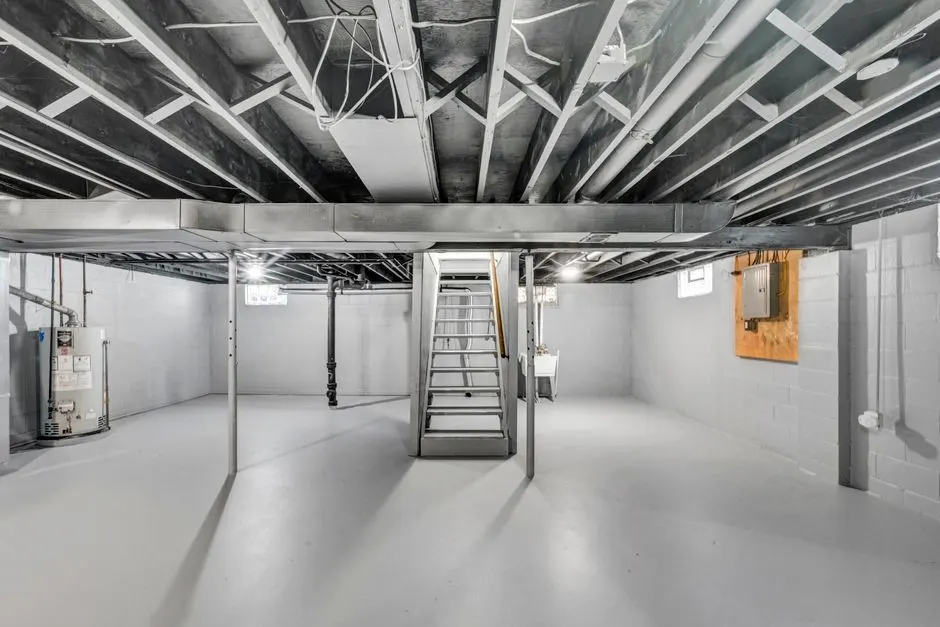
Basement Mold Inspection in Farmington is a residential inspection service that identifies visible mold, conditions supporting growth, and likely moisture sources in below-grade spaces. We examine foundation walls, floor edges, stored materials, utility areas, and accessible framing, then use moisture readings to distinguish a dry stain from an active concern. A moisture meter and hygrometer help us record conditions; targeted sampling is considered when the findings or your specific question call for it. You receive an explanation of what we saw, what needs attention, and which next steps fit the evidence. Farmington basements face changing seasonal moisture, runoff, plumbing leaks, and condensation on cool surfaces. Older stone or masonry foundations, finished rooms, and storage against exterior walls can conceal dampness until odor or discoloration appears. A basement mold assessment Farmington CT visit is useful after seepage, a sump issue, or repeated high humidity, and a basement mold inspection near me Farmington CT search often follows a new musty smell. We trace the conditions rather than treating every dark mark as mold.
! Common warning signs
A musty smell returns after the basement has been cleaned
The odor can signal ongoing dampness behind stored items, finishes, or near a leak; masking it leaves the moisture source untreated.
Dark patches appear along a cold foundation wall
Condensation or seepage can keep surfaces damp, damaging finishes and creating conditions that support mold growth over time.
Water entered the basement and porous items stayed wet
Wet carpet, cardboard, and other porous materials can remain damp after visible puddles disappear, allowing odor and damage to persist.
Inspection scope
What your basement inspection includes
Your visit covers a visual review of accessible basement areas, moisture observations, and a discussion of likely contributing conditions. We document findings and explain practical next steps. Laboratory analysis, extensive opening of finished assemblies, and remediation are separate services when appropriate; we will explain their purpose before recommending them. The aim is to give you a clear view of the concern without treating every mark as confirmed mold.
-
01
Visual room-by-room review
We examine accessible foundation surfaces, flooring, windows, storage areas, plumbing connections, and utility spaces. You can direct us to the odor or stain that concerns you most. We note visible growth, water marks, and conditions that suggest concealed moisture.
-
02
Moisture and humidity checks
We take relevant comparative readings on materials and record indoor humidity and temperature. The results help us identify damp areas and distinguish them from nearby conditions. We explain that readings are contextual indicators, not a stand-alone mold diagnosis.
-
03
Source and risk discussion
We look for clues associated with seepage, condensation, water damage, or hidden leaks. You receive a practical explanation of which source is most plausible and what should be checked or corrected first, based on the accessible evidence.
-
04
Findings and next steps
We summarize the inspected areas, relevant readings, and recommended priorities. If sampling or remediation would help, we explain why and how it fits the findings. You leave with information you can use to plan repairs or monitor conditions.
Clear findings, practical next steps
You need more than a quick look at a suspicious patch. We connect visible conditions with moisture readings, likely water pathways, and the areas you are concerned about, so you can decide what to repair, monitor, or sample. The visit is focused on your basement and the questions that brought you to us.
Schedule inspectionTools and inspection methods
Protimeter moisture meter
We use a moisture meter to compare readings on accessible building materials near stains, foundation walls, and suspected leaks. The comparison helps identify areas for closer inspection; it does not identify mold species.
FLIR thermal imaging camera
A FLIR camera shows surface temperature differences that may guide us toward cold spots or possible moisture pathways. We verify thermal observations with direct inspection and moisture measurements rather than treating an image as proof.
Hygrometer
A hygrometer records indoor relative humidity and temperature during the visit. We use those readings alongside visible conditions to discuss condensation risk and practical humidity control for your basement.
Borescope
A borescope can provide a limited view into an accessible cavity through a suitable opening. We use it only when a concealed area is relevant and explain what the view can and cannot establish.
Local service
Farmington's changing weather makes basement moisture a year-round concern, with colder surfaces and indoor humidity increasing condensation risk as temperatures fall in late autumn and winter. Spring rain and snowmelt can reveal seepage around foundations, while summer humidity can collect on cool masonry. We adapt the inspection to what your home is showing rather than assuming one seasonal cause. Older foundations, finished lower levels, and utility rooms each require a different look at accessible materials and water pathways. Our Farmington Connecticut basement mold inspection checks for visible growth, moisture patterns, and signs of hidden leaks, then explains the evidence in plain language. If you are looking for basement mold prevention Farmington Connecticut homeowners can start by controlling indoor humidity, correcting water entry, and keeping stored items clear of damp walls. We also consider how laundry, drainage, and ventilation affect the space. We do not identify mold by color alone or treat a thermal image as a diagnosis; we connect observations with measurements and explain what remains uncertain.
How Farmington basement inspections work
- • Downtown Farmington
- • Farmington Historic District
- • Farmington Woods
- • West Farmington
Inspection outcomes
Prompt basement inspections in Farmington
A clear plan after a leak
If a leak or damp smell needs attention, call us and describe what happened, when it started, and which basement areas are affected. We arrange inspection appointments based on the service schedule and aim to respond to urgent inquiries the same day when availability allows. A standard visit usually takes 1.5 to 3 hours; larger or heavily finished basements require more inspection time. Our technician brings moisture-measuring equipment, a hygrometer, and inspection tools suited to accessible areas. We can discuss sampling when it answers a specific question, but not every visit needs laboratory testing. For basement mold testing Farmington homeowners receive an explanation of the sample purpose and collection method before any sample is taken. If water is still entering, stop the source if safe and keep people away from electrical hazards while you contact the appropriate emergency trade. We will focus our visit on documenting conditions and helping you decide the next property-related step.
What to expect during the visit
Hear your concerns
We begin by asking when the odor, staining, or dampness appeared and whether the basement has had flooding, plumbing work, or a sump problem. You can point out rooms that feel clammy or materials that keep getting wet. This conversation takes about 10 to 15 minutes and helps us prioritize the inspection without overlooking your main concern.
Walk the basement
We inspect accessible foundation surfaces, floor edges, windows, stored items, plumbing connections, and mechanical areas. You will see where we find staining, suspect growth, or water marks, and we will distinguish a visual observation from a confirmed cause. This room-by-room review usually takes 30 to 60 minutes, depending on the size and contents of the space.
Measure moisture
We take comparative readings on relevant materials and record indoor humidity and temperature. A FLIR thermal imaging camera can help identify temperature differences that deserve closer inspection, but it does not identify mold by itself. We explain each reading in context, including whether a cold surface, leak, or damp foundation appears to be contributing to the conditions.
Basement inspection questions
How much does basement mold inspection cost in Farmington CT?
A standard residential inspection often costs about $250 to $600 in 2026, with sampling priced separately when needed. The final amount depends on basement size, access, number of affected areas, and whether laboratory analysis is requested. We explain the price before work begins. A simple visual and moisture assessment costs less than a visit involving multiple samples, extensive finished spaces, or a documented post-water-loss review.
Why is my basement damp in Farmington Connecticut?
Basement dampness in Farmington most often comes from seepage, a plumbing leak, condensation, or humid air contacting cool surfaces. A relative humidity reading above 60% for sustained periods raises concern for moisture conditions that support mold. We check for water marks, cold surfaces, drainage clues, and plumbing issues, then compare readings in affected and dry areas. The pattern helps distinguish a source that needs repair from seasonal humidity that needs control.
How do you remove mold from a basement in Farmington?
Safe removal starts by correcting the moisture source, then containing and cleaning or removing affected materials using methods suited to the material and extent. Our inspection identifies the affected areas and helps determine whether professional remediation is appropriate. A basement mold inspection after flooding Farmington CT is especially useful when water reached porous materials or remained for more than 24 to 48 hours. We do not recommend covering growth with paint or cleaning before its source is understood.
Can basement mold make you sick in Farmington CT?
Mold exposure can trigger allergy or asthma symptoms in some people, but an inspection cannot diagnose illness or determine an individual's medical risk. If you have symptoms, speak with a healthcare professional. We can identify visible growth, moisture conditions, and whether sampling may help answer a building-related question. Our basement mold inspection focuses on the property, documents findings, and helps you address conditions that support mold.
Related services
Mold Inspection
A broader mold inspection helps when the basement odor also appears upstairs or near a utility area. We examine connected rooms and compare conditions so you can understand whether the basement concern is isolated or part of a wider moisture pattern in your Farmington home.
Mold Testing
Mold testing can add laboratory information when a specific question remains after the visual inspection. We explain sample type, location, and limitations before collection, helping you avoid testing that does not change the next step for your Farmington basement.
Book Basement Mold Inspection in Farmington
A persistent musty smell or new water stain deserves a measured inspection, not a guess. Our team documents visible conditions and moisture readings, then explains practical next steps. Call Farmington Mold Inspection Pros to schedule your basement visit.