About this area
Mold Inspection in Farmington Historic District
Why we serve here
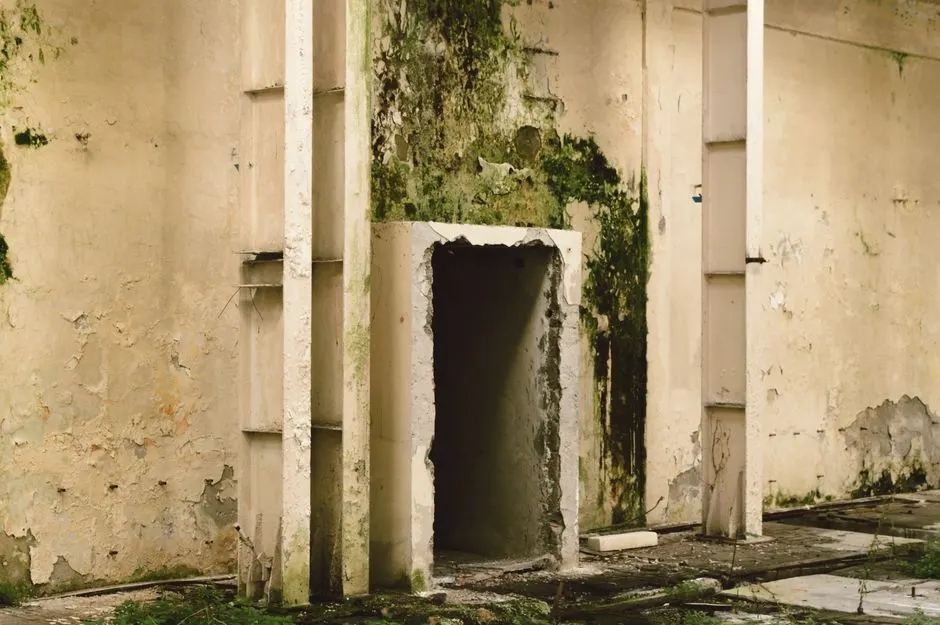
We serve this part of Farmington because its housing needs a different kind of attention than a newer subdivision. The 18th and 19th century homes around First Church of Christ and the Farmington Historical Society bring stone and brick foundations, older roof details, and rooms that have been renovated over time. Those features can hold moisture after heavy rain, snowmelt, or a plumbing leak. We help owners connect visible symptoms to the likely source, so the next step targets the cause rather than covering a stain. November brings closed windows and longer heating cycles, which can reveal attic condensation and damp basement odors. Our local schedule includes routine inspections and time-sensitive checks for active water damage.
Careful moisture checks for Farmington's historic homes
Mold Inspection in Farmington Historic District is a property assessment that locates moisture conditions and visible mold concerns so owners can choose appropriate testing or corrective work. We work around the realities of older houses: historic masonry, layered finishes, additions built in different eras, and preservation restrictions that call for careful planning. A stain near a cellar wall or a musty attic does not tell the whole story. We trace the moisture pattern and explain what the evidence supports.
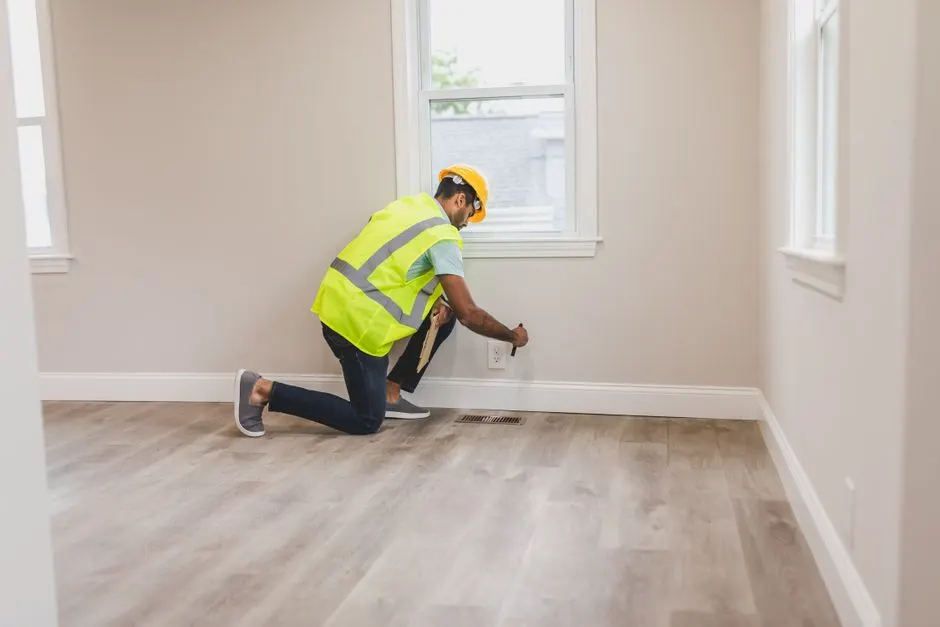
Our Farmington Historic District mold inspection covers homes near Main Street Historic District and High Street, as well as properties along Mill Lane and Garden Street. We check basements, attic framing, crawl spaces, bathrooms, and HVAC components where dampness or condensation can persist. If sampling would answer a specific question, we explain the options and collect only what is useful. You receive findings in plain language, with locations and observations tied to your home.
Farmington Historic District Connecticut mold inspection calls often involve seasonal moisture, older foundations, and water damage that is not obvious from living areas. We use a moisture meter and thermal imaging camera to guide non-destructive checks, then discuss whether mold testing or a moisture-control correction is the right next step. You get practical recommendations that respect the building and your priorities.