Farmington Mold Inspection Pros
Local mold service

Mold Inspection in Farmington Crossing, Done Clearly

Mold Inspection in Farmington Crossing helps you understand where moisture is entering, whether visible growth is active, and what to do next. We inspect homes and retail buildings around Crossing Court, Village Square, and Town Center, including properties in ZIP code 06032. Our team explains findings in plain language, separates inspection from testing, and focuses on practical steps for your specific building.

06032
Service area
Moisture first
Inspection focus
Cold-weather condensation
Current season focus

Farmington Crossing overview

Mold Inspection in Farmington Crossing

Why we work locally

Farmington Crossing brings together homes, shops, offices, and older buildings where one moisture problem can affect different kinds of spaces. Winter temperature swings encourage condensation around windows and cold exterior walls, while wet spring weather can expose basement seepage and drainage concerns. Retail buildings with HVAC also need attention to condensate lines, equipment rooms, and areas behind stored inventory. We work here because property owners need an inspection that recognizes those differences. Around Farmington Crossing Shopping Center and Town Center, access, business hours, and customer flow matter as much as the inspection itself. We plan the visit around the affected area, protect occupied spaces, and tell you what we find without turning a damp spot into a larger claim than the evidence supports.

Find hidden moisture before mold spreads through your property.

Mold Inspection in Farmington Crossing is a property assessment that identifies moisture sources, visible mold, and conditions that support growth so owners can choose appropriate next steps. Farmington Mold Inspection Pros serves the commercial and residential mix around Crossing Court, Village Square, Market Place, and Town Center. Older structures, retail buildings with HVAC, and high traffic area conditions call for careful access planning and attention to concealed moisture, not a quick glance at a stain. Our Farmington Crossing mold inspection starts with your concern: odor, water damage, recurring condensation, or a purchase decision. We check relevant rooms, accessible building materials, ventilation, and moisture patterns, then explain whether sampling would answer a useful question. A mold inspection near Farmington Crossing is most helpful when it connects visible signs to a likely moisture pathway. We use tools such as a moisture meter and thermal imaging camera to guide targeted investigation. You receive findings that make the next step clear, whether that is correcting a leak, improving ventilation, or arranging testing.
Services available locally

Mold Inspection Services Around Farmington Crossing

In Farmington Crossing, mold concerns often begin with basement dampness, attic condensation, a plumbing leak, or a persistent odor near HVAC equipment. We inspect the affected area and trace moisture indicators before recommending any sampling or cleanup. If you are searching for mold inspection in Farmington Crossing near me, tell us what changed, where you noticed it, and whether the area has been wet before. That helps us focus the visit on a useful question rather than testing every room. We serve homes, retail spaces, and other occupied buildings throughout the neighborhood.

How local visits work

How We Inspect Farmington Crossing Properties

Challenge: Retail HVAC rooms can hide condensate leaks behind active customer areas

A small drain issue can wet concealed materials while the store remains open, and equipment schedules can limit access. Inspection needs to avoid disrupting shoppers while still checking the mechanical area and adjacent finishes.

Response: We coordinate with the manager for access to the affected zone and identify equipment that should remain running or be safely accessed by facilities staff. We inspect visible condensate pathways, surrounding materials, and nearby odor reports, then recommend the next step without interrupting unrelated retail operations.

Challenge: Older structures can conceal moisture behind layered finishes and trim

Repeated repairs or older finishes can make a damp pathway hard to trace from the visible stain. A surface-only review may miss moisture continuing along an exterior wall or beneath a floor edge.

Response: We compare readings on the affected and control areas, inspect adjacent rooms, and use imaging to choose where closer access is useful. We explain what is confirmed and what remains concealed, so you can make a measured decision before opening finishes or ordering sampling.

Neighborhoods we serve

Crossing CourtVillage SquareMarket PlaceTown CenterFarmington Crossing Shopping CenterFarmington River area

Farmington service area

Farmington Crossing

Latitude: 41.7198

Extract Directions

Local inspection examples

Typical scenario: 1

Market Place

Concern

A retail tenant near Market Place noticed a musty odor when its HVAC system started, with no obvious surface growth in the sales area.

Inspection

We focused the inspection on the odor location, accessible HVAC-adjacent surfaces, and the nearby condensate route. We compared conditions in the affected zone with an unaffected area and documented where moisture was present. The findings indicated a localized moisture concern that needed equipment-side correction and follow-up observation, rather than broad sampling across the entire store.

Outcome

The owner received a defined inspection area, a moisture-source priority, and a practical follow-up plan. The visit kept attention on the affected HVAC zone and avoided treating unrelated sales-floor surfaces as contaminated.

Typical scenario: 2

Crossing Court

Concern

A homeowner around Crossing Court found a basement odor after repeated wet weather and noticed a small stain along the lower wall.

Inspection

We checked the wall and adjacent materials for moisture, reviewed the room's visible water pathways, and compared readings with a dry section. We also discussed the timing of the odor and any prior seepage. The assessment separated current dampness from older staining and identified where water control should be addressed before considering cleanup or sampling.

Outcome

The homeowner had a clear sequence: address the moisture pathway, dry affected materials, and reassess the odor. The report identified the lower wall and adjacent area as the priority rather than recommending work throughout the basement.

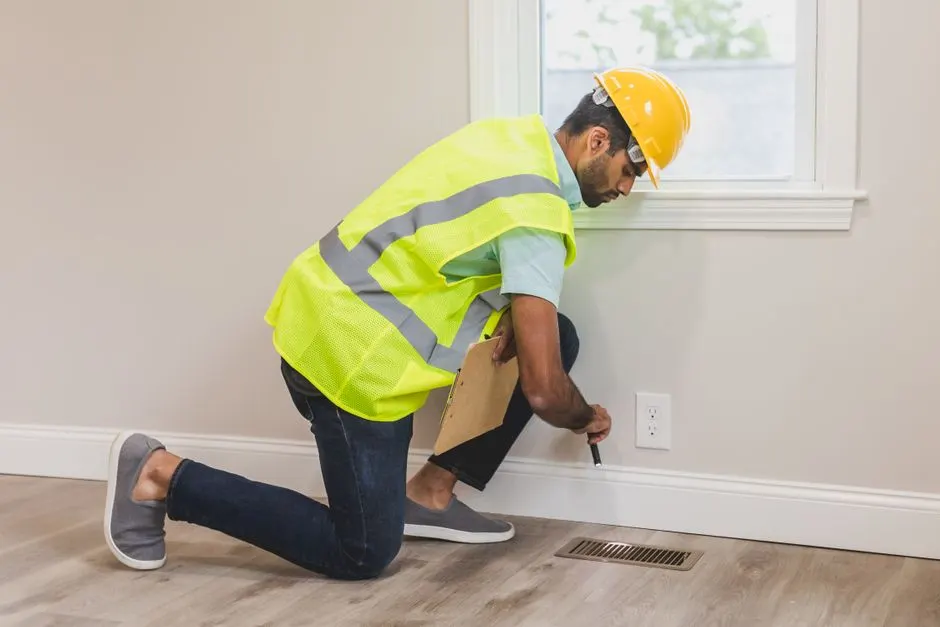
Construction worker conducting a home inspection indoors, using tools near a vent.
What we document
What we document

Inspection Findings From Farmington Crossing

Moisture tells the story

Our Farmington Crossing inspections are built around identifiable property conditions, not invented neighborhood averages. A useful record notes the room, material, visible signs, moisture readings, and any samples collected. For example, a basement concern calls for checking the lower wall and nearby stored materials; an attic concern calls for reviewing roof-side surfaces and ventilation. Farmington Crossing mold inspection findings are explained in terms of what is confirmed, what needs more investigation, and which correction should come first. We use equipment such as a hygrometer, sampling cassettes, or swabs only when they serve the inspection question. If testing is selected, laboratory processing takes longer than the site visit. The result is a practical record you can use to coordinate leak repair, drying, remediation, or a follow-up assessment without confusing suspicion with proof.

3 steps
Inspect, explain, plan

Local questions

How much does mold inspection cost in Farmington Crossing?

A focused residential inspection often costs $250-$600 and takes about 1.5-3 hours. The final price depends on the number of rooms, access, building type, and whether sampling is useful; laboratory fees are additional. For affordable mold inspection Farmington Crossing service, share the affected area and water history so we can plan a focused visit. We explain the price before work begins.

Who is the best mold inspector in Farmington Crossing Connecticut?

Choose an inspector who checks moisture sources, explains when sampling is appropriate, and provides documented findings rather than promising a result before seeing the property. Ask about training, insurance, report contents, and how the inspection will fit your building's access needs. Farmington Mold Inspection Pros serves homes and commercial properties in Farmington Crossing and explains findings in direct, practical terms.

Do I need mold testing or mold removal in Farmington Crossing?

You need an inspection first to determine whether testing, moisture correction, or removal fits the evidence. Testing answers a defined question; removal addresses affected materials after the moisture source is controlled. Our mold testing and removal Farmington Crossing service begins by examining the reported area and explaining which step is useful for your specific property.

Credentials and compliance

Trust, Safety, and Credentials

We approach Farmington Crossing inspections with careful documentation, appropriate safety practices, and clear limits on what an inspection can establish. Our work aligns with relevant Connecticut requirements and public health guidance; repairs that require permits or trade-specific work should follow applicable Connecticut building codes. We use suitable protective equipment and HEPA filtration when the work conditions call for it, and we explain when a qualified remediation or building professional should handle the next step. Credentials and certifications matter, but so does a direct explanation of the affected area, moisture source, and recommended action. We do not present a visual finding as a medical diagnosis.

Connecticut home improvement contractor registration
Connecticut environmental services contractor registration
IICRC Applied Microbial Remediation Technician Institute of Inspection, Cleaning and Restoration Certification
When To Call

When Should You Call for Mold Inspection?

Call for an inspection when a Farmington Crossing property has recurring odor, visible growth, a leak that wet building materials, or staining that returns after cleaning. A single dark mark does not identify mold, and a clean-looking surface does not rule out concealed moisture. If you are considering affordable mold inspection Farmington Crossing options, start by describing the affected room and the event that preceded the concern; a focused visit can help define whether testing or moisture correction is needed. Prompt attention matters most when water is still entering or materials remain damp.

1. Musty odor returns after airing out

A recurring odor suggests that a moisture source or affected material may remain, even if the room looks clean. Note when it is strongest, such as after rain or when HVAC starts. An inspection can trace the odor to a specific area and help determine whether sampling adds value.

2. Water stain darkens after rain

A stain that changes after wet weather may point to continuing roof, window, or wall intrusion. The urgency rises if the material feels damp or the mark spreads. We inspect the visible area and nearby surfaces to distinguish an old stain from ongoing moisture.

3. Basement wall feels damp or cool

Damp masonry or stored items near a basement wall can signal seepage, condensation, or another moisture source. The material and surrounding air conditions both matter. Arrange an inspection if the condition persists, especially when the room has an odor or visible spotting.

4. Bathroom growth returns at ceiling edge

Recurring growth near a bathroom ceiling can indicate poor exhaust, a leak above, or repeated condensation. Cleaning the surface without fixing the moisture pattern often leaves the cause in place. We check ventilation and nearby materials to identify the likely contributor.

5. HVAC starts and spreads a stale smell

An odor that appears when the system runs deserves attention to accessible equipment areas, condensate management, and nearby surfaces. It does not prove mold inside ductwork. We inspect the conditions tied to the odor and explain whether an HVAC service visit or targeted sampling should follow.

Local Problem Patterns

Common Mold Inspection Problems in Farmington Crossing

Farmington Crossing properties face a mix of cold-season condensation, wet spring weather, and moisture challenges tied to building age and use. Older structures may have layered finishes that conceal a leak, while retail buildings with HVAC add condensate and ventilation questions. Farmington Crossing Connecticut mold inspection visits often begin with basement dampness, attic condensation, hidden leaks, or water damage after a plumbing failure. Soil and drainage conditions vary by property, so we inspect the building evidence rather than assume every lower-level odor has the same cause. Connecticut building codes guide repair work when findings lead to construction changes.

Basement dampness persists after wet spring weather

Why it happens here

Long periods of rain can expose foundation seepage, poor drainage, or moisture moving through lower-level materials. A musty odor may linger after visible water disappears, particularly where stored items limit airflow and inspection access.

Our approach

We check the damp area, adjacent materials, and accessible water pathways, comparing readings with drier surfaces. Our findings identify whether the issue appears ongoing and what should be corrected before cleanup. You get a defined priority instead of a generic basement treatment recommendation.

Attic condensation forms during cold Connecticut nights

Why it happens here

Warm indoor air can reach cold attic surfaces when ventilation or air-sealing conditions are inadequate. Repeated condensation may leave staining or support growth on roof-side materials, even without a roof leak.

Our approach

We inspect accessible attic surfaces, roof penetrations, and ventilation conditions, then distinguish likely condensation from visible leak evidence. We explain what needs a closer look and recommend appropriate ventilation or building-envelope follow-up based on what is present.

Retail HVAC condensate keeps nearby materials damp

Why it happens here

A blocked drain, sweating line, or equipment issue can wet finishes near commercial HVAC systems. Because businesses remain occupied, the source can go unnoticed until odor or staining develops around the affected zone.

Our approach

We coordinate access with the building contact and inspect the accessible condensate route and nearby materials. We document the moisture pattern and identify when an HVAC contractor should correct the equipment issue before affected building materials are cleaned or replaced.

Older finishes conceal leaks behind trim and wall surfaces

Why it happens here

Older structures can contain multiple finish layers, making a small plumbing or exterior leak difficult to trace from one visible mark. Water may travel along framing before showing at the surface.

Our approach

We inspect the reported stain and nearby areas, compare moisture readings, and use imaging to guide targeted investigation. We state clearly what is visible and what remains concealed, helping you decide whether further access or sampling is justified.

Year-Round Coverage

Seasonal Mold Inspection in Farmington Crossing

As November brings colder nights, Farmington Crossing inspections often focus on attic condensation, cold exterior corners, and moisture around windows. Winter indoor humidity can collect on cool surfaces, while spring rain can reveal basement seepage and roof leaks. Summer brings humid air and greater reliance on air conditioning, and fall calls for checking gutters, roof details, and stored items before heating season. If you need emergency mold removal Farmington Crossing CT after a significant leak, first stop the water when safe and arrange an inspection of affected materials. Seasonal patterns guide the questions; the building evidence determines the answer.

Spring

Spring rain can reveal seepage at basement walls, damp stored belongings, or roof leaks that were not obvious through winter. As outdoor temperatures shift, condensation can also appear in lower levels with limited ventilation. Watch for odors that persist after the rain stops.

Tip

Check the basement after heavy rain and move stored items away from damp walls. If a stain grows or materials stay wet, arrange an inspection before repainting or sealing the surface.

Summer

Warm, humid days can raise indoor moisture, especially in basements and rooms with weak ventilation. Air conditioning may create cool surfaces where condensation develops, and HVAC condensate issues can become more noticeable as systems run frequently.

Tip

Keep an eye on musty odors near cooling equipment and check for standing water around accessible condensate areas. Report recurring dampness rather than masking the smell with fragrance.

Fall

Falling leaves and seasonal rain can expose drainage or roof problems before cold weather arrives. Closing windows and increasing indoor heating changes airflow, making existing moisture patterns more noticeable in bathrooms, attics, and exterior corners.

Tip

Look over accessible attic areas and lower-level walls before winter. Address active leaks promptly, and keep furniture or storage slightly clear of walls where dampness has occurred.

Winter

Cold exterior surfaces and warm indoor air can create condensation on windows, attic sheathing, and wall corners. Heating season can also make a hidden leak easier to notice when a musty odor becomes concentrated in closed rooms.

Tip

Use bathroom exhaust during and after showers, keep indoor humidity in a reasonable range, and watch recurring condensation. If surfaces remain wet or staining develops, have the moisture source checked.

Hiring Smart

Questions to Ask Before Hiring a Mold Inspector

A good Farmington Crossing inspection should answer your actual concern, not sell you a predetermined cleanup. Ask how the contractor distinguishes visible mold from moisture damage, when sampling is useful, and what the report will explain. For a home near Village Square or an occupied retail space at Market Place, access and disruption also matter. Listen for a clear process: inspect first, explain evidence, then recommend the next step. These questions help you compare providers on what they will do at your property rather than on broad promises.

  1. 1

    "Will you inspect for the moisture source as well as visible mold?"

    Why it matters

    Mold can return when the source remains. A useful answer describes checking leaks, condensation, ventilation, or damp materials connected to the reported area. If the contractor focuses only on surface treatment, you may not learn why the condition developed in the first place.

  2. 2

    "How do you decide whether mold testing is necessary?"

    Why it matters

    Sampling should address a specific question and have a clear purpose. A strong answer explains sample placement, what the result can tell you, and when visual inspection or moisture readings are enough. This helps prevent unnecessary testing that does not change your plan.

  3. 3

    "What will your report include for my Farmington Crossing property?"

    Why it matters

    A useful report records the affected locations, observed conditions, moisture findings, samples if collected, and recommended priorities. That gives you something practical to share with a property manager, repair contractor, or buyer rather than a vague conclusion without supporting details.

  4. 4

    "How will you work around customers or residents in the building?"

    Why it matters

    Retail and mixed-use spaces require thoughtful access planning. The answer should cover how the inspector will reach the affected room, coordinate with your contact, and limit unnecessary disruption. You need a visit that investigates the concern without interfering with unrelated spaces.

  5. 5

    "Do you separate inspection findings from remediation recommendations?"

    Why it matters

    The inspection should explain what is confirmed before recommending cleanup. Ask how the contractor documents the affected area and connects any proposed work to evidence. A clear separation makes it easier to understand whether you need repair, testing, removal, or simply moisture control.

Knowing the Area

Local Landmarks Help Us Navigate

Farmington Crossing Shopping Center, Farmington Town Hall, and Farmington Public Library are useful reference points when we coordinate an address in the wider area. They help owners describe the property and the best approach for access; they are not evidence of a mold condition. For retail visits, we confirm the tenant entrance or service access before arriving. For homes, we use the address and your directions to identify the affected room and any parking or entry constraints. This keeps the visit centered on the building concern rather than time spent locating the right door.

Landmarks

  • Farmington Crossing Shopping Center

    The shopping center anchors many commercial inspection requests. We coordinate with the tenant or manager to locate the affected suite, identify the appropriate entrance, and review HVAC or water concerns without interrupting unrelated businesses.

  • Farmington Town Hall

    Town Hall serves as a familiar orientation point for nearby properties. When you describe an address in relation to it, we can confirm the location and plan the correct building entrance before the inspection.

  • Farmington Public Library

    The library is another clear local reference for customers explaining where a home or business sits in the service area. We use your address for the visit and your directions to make entry and parking straightforward.

Commercial Districts

  • Market Place

    Retail and office tenants may report musty odors, ceiling stains, or HVAC moisture. We identify the affected suite and work with the manager on access to equipment-adjacent or customer-facing areas.

  • Town Center

    Mixed-use activity can mean shared entrances and occupied rooms. Inspections focus on the specific water or odor concern, with access planned to limit disruption to residents, staff, and customers.

Transport & Access

  • Farmington Road access

    Farmington Road provides a familiar approach to the local commercial and residential area. We use the property address and your entry instructions to plan parking and reach the affected building.

  • Route 4 corridor

    The Route 4 corridor connects parts of Farmington and helps customers describe the general location. We confirm the exact address before setting the visit rather than estimate from a landmark.

!

Book Mold Inspection in Farmington Crossing

A recurring odor, wet basement, or HVAC-related concern deserves a direct answer before it spreads into a larger repair. We inspect Farmington Crossing homes and commercial spaces, explain what the evidence shows, and identify the next practical step. Our inspection process is documented and focused on the moisture concern you report. Call Farmington Mold Inspection Pros to arrange your visit and tell us which room needs attention.

Call for inspection
Call Now: (860) 400-9313