Farmington Mold Inspection Pros
North Farmington service

Mold Inspection in North Farmington for Local Homes

Mold Inspection in North Farmington helps you identify visible growth, hidden moisture, and the conditions that let mold return. We inspect homes around North Farms, Farmington Ridge, and Woodpond, paying close attention to wooded properties, higher elevation, and attic ventilation issues. Our North Farmington mold inspection pairs a careful visual review with moisture readings and targeted sampling when the findings call for it, so you receive practical next steps rather than guesswork.

06032
Local coverage
Moisture first
Inspection focus
Cold-weather condensation
November focus

About this area

Mold Inspection in North Farmington, Explained

Why we work here

North Farmington has a mix of wooded lots, sloped sites, and houses with basements and roof spaces that respond differently to rain, snowmelt, and indoor humidity. We see calls after a leak seems repaired but a stain returns, and after homeowners notice a musty smell when the heat starts running. Some areas rely on well water, so plumbing leaks and condensation can be harder to distinguish by appearance alone. We inspect the source and moisture pattern before recommending sampling or remediation. That keeps your plan tied to the building rather than a broad assumption about the neighborhood.

Find moisture sources before mold spreads further

Mold Inspection in North Farmington is a property assessment that identifies visible mold, moisture sources, and conditions that may support growth. We work across the North Farms area, Farmington Ridge, Woodpond, and nearby wooded properties, where roof drainage, basement dampness, and attic airflow deserve close attention. Higher elevation and exposed tree cover can shape how wind-driven rain and winter condensation affect a particular house. We inspect the building, not just the discolored patch. Our North Farmington mold inspection starts with your concern: a musty basement, a recurring bathroom stain, or a buyer's request for a closer look. We check accessible rooms, roof and plumbing clues, and moisture readings; we use targeted samples when results would clarify the source or extent. A moisture meter and thermal imaging camera help us locate suspicious areas without treating every cool surface as mold. You receive findings in plain language, with priorities for correcting moisture and deciding whether further testing is useful. We serve North Farmington as part of Farmington, Connecticut, including homes near North Farmington Road and properties in ZIP code 06032. Our recommendations account for Connecticut building codes and the actual construction we see, from finished basements to older attic assemblies. Call us when you need a focused inspection, a report for a transaction, or a clear next step after water damage.
Services available

Inspection and Testing Services in North Farmington

North Farmington calls often start with a basement odor, an attic stain, or water damage after heavy rain and snowmelt. We match the inspection to the complaint, then check related rooms so a leak behind one wall does not get mistaken for a whole-house issue. If you are searching for mold inspection in North Farmington near me, we can assess the concern, explain whether sampling adds value, and outline a sensible next step. We also inspect homes before purchase and return for clearance testing after completed remediation.

How we work locally

How North Farmington Inspections Work

Challenge: Wooded lots route stormwater toward foundations and below-grade rooms

Leaf buildup, sloped ground, and runoff can keep foundation areas damp after a storm. A musty basement may therefore involve exterior drainage, a plumbing leak, or indoor humidity, and the inspection needs to compare those possibilities before identifying the likely source.

Response: We inspect accessible foundation walls, lower-level corners, sump areas, and the route water takes outside where visible. Moisture readings help locate active dampness. We note downspout discharge and grading concerns as observations, then separate urgent indoor drying needs from exterior maintenance recommendations.

Challenge: Higher elevation and cold roof surfaces increase attic condensation risk

During cold snaps, warm indoor air can reach cold roof sheathing and condense, especially when attic ventilation or air sealing is inadequate. The resulting staining can resemble a roof leak, so a quick look at one discolored board can miss the underlying pattern.

Response: We check roof sheathing, insulation, bathroom exhaust routing, and accessible ventilation openings together. Thermal imaging can flag temperature differences, while direct moisture checks verify suspect areas. We explain whether the evidence points toward condensation, water entry, or a combination before proposing corrective work.

Neighborhood coverage

North FarmsFarmington RidgeWoodpondTalcott Mountain areaRattlesnake Mountain areaNorth Farmington Road corridor

North Farmington service area

North Farmington

Latitude: 41.7354

Extract Directions

Local examples

Inspection example: 1

Woodpond

Concern

A homeowner near Woodpond noticed a musty basement odor after repeated rain and found a damp patch beside a foundation wall.

Action

We inspected the affected basement and adjoining storage area, checked accessible foundation surfaces, and took comparative moisture readings across the wall and floor. The pattern was concentrated near one corner rather than spread throughout the level. We explained the likely water-entry clues, documented the condition, and recommended addressing the exterior drainage route before considering sampling.

Outcome

The homeowner received a room-by-room record, three priority observations, and a clear moisture-control sequence. The inspection identified a localized concern and avoided treating the entire basement as affected.

Inspection example: 2

North Farms

Concern

A North Farms homeowner saw dark marks on attic sheathing when colder weather arrived and worried that a roof leak had started.

Action

We inspected the accessible attic, looked for roof-entry paths, and reviewed insulation, ventilation openings, and bathroom exhaust routing. Moisture checks showed a broader pattern near the roof surface, while the accessible roof area did not show a matching leak path. We explained how indoor air and cold sheathing could contribute and listed ventilation and air-leak priorities.

Outcome

The homeowner received a documented attic assessment covering four inspection points and a repair sequence aimed at reducing condensation. The report separated observed moisture clues from unconfirmed roof damage.

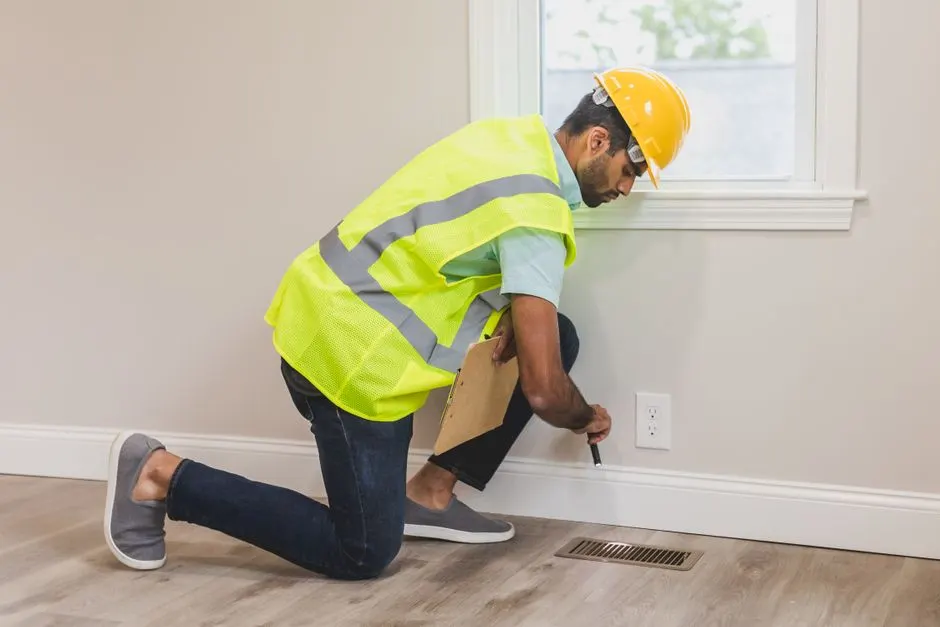
Construction worker conducting a home inspection indoors, using tools near a vent.
Inspection approach
Inspection approach

What North Farmington Inspections Reveal

Follow moisture to source

North Farmington inspections commonly begin with a recurring basement odor, a dark attic mark, or a bathroom wall that stays damp after use. We trace the condition across connected materials rather than stopping at the visible spot. A moisture meter, hygrometer, and careful visual checks help distinguish an active leak from old staining or seasonal condensation. Where a sample adds useful information, we explain the purpose before collecting it. Our reports identify locations, observed conditions, and recommended priorities, so you know whether to address drainage, ventilation, a plumbing source, or affected materials first. North Farmington mold inspection is most useful when it turns a vague concern into a specific building question and a practical plan. We do not invent job totals or outcome percentages; each conclusion comes from the property inspected.

1.5-3
Hours for many visits

Local questions

How much does mold inspection cost in North Farmington?

A standard residential inspection is about $250-$500 and usually takes 1.5 to 3 hours. Added sampling, several affected floors, or difficult attic and crawl-space access can increase the cost. We give upfront pricing before work proceeds and explain whether testing is useful for your concern. An affordable mold inspection North Farmington starts with matching the inspection to the actual moisture issue, not adding unnecessary samples.

Who is the best mold inspector in North Farmington Connecticut?

Choose an inspector who traces moisture, explains sampling choices, and provides clear findings tied to your property. Ask about training, insurance, safety practices, and how the report distinguishes observations from recommendations. Our North Farmington team checks the reported room and connected spaces, then explains what the evidence supports. The right fit is the professional who answers your questions plainly and gives you practical next steps.

Do I need mold testing or mold removal in North Farmington?

You need an inspection first; testing or removal depends on what the inspection finds and what question must be answered. Visible growth with a known moisture source may need correction and remediation, while sampling can help clarify an uncertain indoor-air or material concern. We assess the area, identify moisture, and explain whether mold testing and removal North Farmington applies to your situation.

Credentials and care

Training, Safety, and Compliance

We follow safe inspection practices and explain findings in line with applicable Connecticut requirements and public-health guidance. Our team uses protective equipment suited to the work area and takes care to avoid unnecessary disturbance of suspect materials. When sampling is selected, we document locations and methods so results can be understood alongside the visible conditions. We carry appropriate business insurance and work with qualified professionals for regulated repair needs. For North Farmington properties, we consider Connecticut building codes when discussing ventilation and moisture-control observations, while keeping inspection findings distinct from code enforcement or medical advice.

Connecticut home improvement contractor registration
Connecticut professional mold assessment licensing where applicable
Certified Mold Inspector ACAC
When To Call

When to Call for Mold Inspection

A spreading stain, a persistent musty smell, or a damp material that does not dry deserves attention, especially after rain or a plumbing leak. North Farmington's wooded lots, basement-heavy housing, and winter temperature changes make moisture patterns worth checking rather than covering with paint. If you are looking for same-day mold inspection North Farmington Connecticut, tell us whether the water source is still active and which rooms are affected. A prompt assessment can identify what needs drying, what needs further investigation, and whether sampling will help.

1. Musty odor returns after rainy weather

A recurring smell after rain can point to damp foundation materials, stored items, a crawl space, or water entering around an exterior opening. The odor alone does not identify mold, but a repeat pattern is a reason to inspect the room and nearby connected areas. Call promptly if surfaces feel wet or the odor is spreading.

2. Attic sheathing shows dark or pale spotting

Marks on roof sheathing can come from condensation, a roof leak, or another moisture source. In colder weather, warm indoor air reaching cold surfaces can leave a broad pattern. We inspect ventilation and exhaust routing alongside the stain so you do not mistake one cause for another.

3. Bathroom paint peels near the fan

Peeling paint or recurring spots around a bathroom fan can indicate lingering humidity, a disconnected exhaust duct, or a leak above the ceiling. The concern becomes more urgent if drywall softens or staining grows. We check accessible ventilation and nearby materials to locate the moisture source.

4. Basement wall stays damp after drying

A foundation wall that repeatedly feels damp can signal ongoing seepage, condensation, or plumbing leakage. Covering it with new paint may conceal the symptom without resolving the cause. We compare moisture readings across nearby areas and look for a pattern that helps direct repairs.

5. HVAC vents release a persistent musty smell

A musty odor near a register can come from system components, damp nearby materials, or air drawn from another part of the building. It does not prove that mold is inside the ductwork. We inspect accessible equipment and the surrounding room before recommending targeted testing or cleaning.

Local Problem Patterns

Common North Farmington Moisture Problems

North Farmington's seasonal rain, snowmelt, wooded lots, and cold winter surfaces create several recurring moisture patterns. Homes with basements and attic spaces need attention to drainage below and ventilation above; one musty room does not always reveal the full source. We also ask whether a property uses well water when plumbing clues are unclear. North Farmington mold inspection connects visible growth with the building conditions that support it, including drainage, leaks, indoor humidity, and ventilation. The right response starts with identifying which condition is active.

Basement dampness after runoff collects near wooded foundations

Why it happens here

Leaves, sloping ground, and heavy rain can direct water toward foundation walls or keep soil wet near the house. Basement surfaces then remain cool and damp, especially when indoor air is humid. Staining may continue even after a storm passes if drainage remains blocked.

Our approach

We inspect the basement pattern, compare moisture levels across nearby surfaces, and note accessible exterior drainage clues. We identify whether the evidence points to seepage, condensation, or a plumbing source. Recommendations focus on the cause first, followed by any needed material assessment.

Attic condensation from weak ventilation or indoor air leakage

Why it happens here

During cold weather, warm humid air can escape into an attic and meet cold roof sheathing. Poor ventilation or bathroom exhaust routed into the attic increases the moisture load. The result may resemble a roof leak, particularly when staining appears in more than one area.

Our approach

We review sheathing, insulation, exhaust routing, and available ventilation openings as one system. Moisture readings and visual patterns help distinguish condensation from water entry. We document where the evidence is strongest and explain which ventilation or air-sealing questions should be addressed.

Hidden leaks beneath finished basement walls and flooring

Why it happens here

A slow plumbing leak or water entry can travel behind finished surfaces before a stain appears. In homes with stored items or carpeting, odor may be the first clue. A small visible mark can therefore represent a larger damp area or a separate localized issue.

Our approach

We assess the visible symptom and adjacent spaces, then map moisture readings to identify areas that warrant closer access. We explain the limits of a non-invasive inspection and recommend opening materials only where the evidence supports it. This avoids guessing from a single surface mark.

Bathroom humidity repeatedly affects paint and wall corners

Why it happens here

Short fan run times, an obstructed duct, or a poorly ventilated room can leave moisture on cool walls after showers. Exterior corners may show the first marks during colder months. If a supply or drain leak is also present, the damage can extend beyond normal humidity effects.

Our approach

We check the affected surfaces, accessible plumbing, fan operation, and nearby rooms for related staining. We look for evidence of ongoing leakage before attributing the problem to humidity alone. The inspection ends with practical priorities for stopping water and improving moisture removal.

Year-Round Coverage

Seasonal Mold Inspection in North Farmington

November brings colder nights and more time with windows closed, so attic condensation and indoor humidity are timely concerns in North Farmington. Winter can expose air leaks and roof-space moisture; spring snowmelt and rain test basement drainage. Summer's humid air can raise basement moisture, while fall leaves may slow drainage around wooded properties. If you notice a seasonal musty odor, mold testing and removal North Farmington should begin with an inspection that identifies the moisture source. We tailor the visit to what the season is doing to your home.

Spring

Snowmelt and repeated rain can reveal foundation seepage, damp crawl spaces, or water entering around basement windows. Stored belongings may hide wet corners until the weather warms. We check whether staining is active and whether moisture extends beyond the first visible area.

Tip

After a storm, note where water appeared and whether the same location has been wet before. Move items away from damp walls so we can inspect the surface and reduce further contact.

Summer

Warm, humid air entering a cool basement can condense on walls, pipes, and stored materials. Air conditioning may create cold surfaces, while a leak can add moisture to an already damp space. Musty odors often become more noticeable in closed lower levels.

Tip

Keep a simple record of basement humidity and odor changes over several days. If a surface remains wet or staining grows, schedule an inspection rather than relying on fragrance or surface cleaning.

Fall

Falling leaves can slow drainage near wooded North Farmington homes, while cooler nights begin to expose ventilation and insulation weaknesses. Roof and gutter conditions deserve attention before winter. A damp attic or basement discovered now may worsen when the house stays closed.

Tip

Check visible gutters and downspout discharge from safe ground and watch for new basement marks after rain. Note any attic odor before heating season changes indoor airflow.

Winter

Cold roof sheathing and closed windows increase the chance of condensation when indoor moisture reaches attic spaces. Bathrooms and kitchens add humidity, and poorly routed exhaust can affect roof framing. A sudden stain can still be a leak, so we compare its pattern with other evidence.

Tip

Use bathroom exhaust during and after showers, and report persistent attic odor or new staining. Do not enter an unsafe or icy roof area; we can inspect accessible interior spaces and document what needs attention.

Hiring Smart

Questions to Ask Before Hiring Locally

A useful North Farmington inspection should explain what was checked, what was measured, and why any sample is recommended. Ask how the inspector will distinguish a roof leak from attic condensation or a foundation issue from indoor humidity. You should also know whether the report will identify moisture sources and give practical next steps. A contractor who explains limits clearly is more useful than one promising certainty from a photograph. These questions help you compare inspection plans for your home, sale, or repair follow-up.

  1. 1

    "Will you inspect the spaces connected to the visible mold?"

    Why it matters

    Moisture can move behind finishes or affect an adjoining room, so a narrow look at one stain may miss the source. A strong answer should explain how the inspection follows the reported concern through accessible areas and where access limits may affect conclusions.

  2. 2

    "How do you decide whether mold testing is necessary?"

    Why it matters

    Sampling adds value when it answers a defined question, such as comparing air in an affected room with a reference area. The inspector should explain what the test can and cannot establish and why the result would change your next step.

  3. 3

    "Will your report identify moisture readings and locations?"

    Why it matters

    A useful report ties observations to rooms and building materials. Asking about readings, photographs, and recommendations helps you determine whether the findings will support repair planning, a purchase discussion, or follow-up after water damage.

  4. 4

    "How will you check attic condensation versus a roof leak?"

    Why it matters

    North Farmington attic marks can have more than one cause. A careful inspector should consider roof entry, insulation, ventilation, and exhaust routing together, then describe which clues support the conclusion rather than relying on stain color alone.

  5. 5

    "What qualifications and safety practices do you follow?"

    Why it matters

    Ask about relevant training, insurance, protective equipment, and sampling procedures. A clear response should cover safe access to attics or crawl spaces and explain how the inspector limits disturbance when examining suspect materials.

Knowing the Area

Local Landmarks Help Us Find You

Landmarks make it easier to orient visits across the wider North Farmington area, especially when wooded roads and long driveways make a property less visible from the street. We use your address and access instructions to plan arrival, then carry the inspection equipment directly to the affected areas. Around Winding Trails or the mountain approaches, weather and parking conditions can affect how we move equipment safely. We do not treat landmarks as a substitute for confirming your exact location.

Landmarks

  • Talcott Mountain State Park

    The park is a familiar reference point for homes near wooded slopes and higher ground. Nearby property concerns often include roof-space condensation and water movement around foundations, so we ask about the location of the symptom before choosing inspection priorities.

  • Heublein Tower

    Heublein Tower helps orient visitors to the Talcott Mountain area. For nearby inspections, we plan around the home's access and weather exposure, then investigate the actual building evidence rather than assuming every mountain-side property has the same moisture pattern.

  • Winding Trails

    Winding Trails is a practical local reference when arranging a North Farmington visit. We use the customer's address for navigation and ask where to park, particularly when equipment must be carried to a basement, attic, or detached area.

Commercial Districts

  • North Farmington Road businesses

    Small offices and service spaces near North Farmington Road can report ceiling stains, plumbing leaks, or musty air in rooms that stay closed. We focus inspection time on occupied areas and the source of moisture, limiting disruption to normal business use.

  • Farmington Valley service corridor

    The Farmington Valley includes varied commercial and residential properties with different operating schedules. We coordinate access to the affected space, inspect adjacent areas where appropriate, and document findings so owners can plan moisture correction and any needed remediation.

Transport & Access

  • North Farmington Road

    This road is a key local reference for reaching homes and properties in the service area. We confirm the exact address and driveway access before bringing inspection equipment to the building.

  • Farmington Valley road network

    Local roads connect North Farmington with the wider Farmington area. Route conditions, traffic, and weather affect arrival planning, so we confirm access details directly rather than promising an unverified travel time.

!

Book Mold Inspection in North Farmington

A persistent odor, fresh water damage, or a new attic stain deserves a clear answer before the condition spreads. We inspect North Farmington homes, trace moisture through connected spaces, and explain whether testing or repair is the next step. Call Farmington Mold Inspection Pros at (860) 400-9313 to arrange your visit and describe what you have noticed. Our reports give you practical findings you can use.

Schedule inspection
Call Now: (860) 400-9313