Black Mold Inspection in Farmington for Clear Answers
Black Mold Inspection in Farmington helps you identify suspicious growth, trace the moisture feeding it, and decide what to do next. Farmington Mold Inspection Pros serves homeowners, buyers, landlords, and property managers across Connecticut. Our toxic black mold inspection Farmington CT service combines a careful visual assessment with targeted moisture checks and optional sampling, so you get findings explained in plain language rather than a guess based on color alone.
Service overview
Black Mold Inspection in Farmington: What We Check
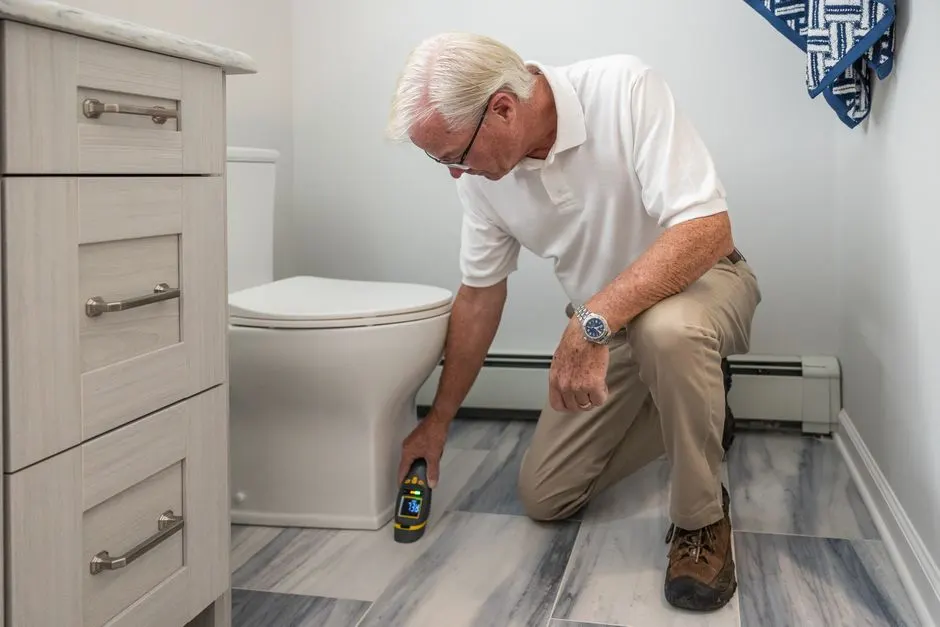
Black Mold Inspection in Farmington is a property assessment that identifies suspected mold growth, moisture conditions, and areas needing further testing or correction. Our inspector checks accessible rooms, building materials, plumbing-adjacent surfaces, and ventilation pathways for staining, musty odors, water damage, and conditions that support growth. A moisture meter helps distinguish damp material from dry surfaces; targeted sampling is discussed when it will answer a specific question. Dark staining alone does not identify a mold species, so we base recommendations on the full pattern of evidence. Farmington homes face basement dampness, attic condensation, crawl space moisture, hidden leaks, and water damage after seasonal rain or winter freeze-thaw cycles. A Farmington Connecticut black mold inspection is useful when you see recurring spots, smell mustiness, or are planning a purchase and want the source investigated. If you have searched for black mold inspection near me Farmington CT, we can assess the affected area, document moisture readings, and explain whether sampling or a repair-focused follow-up is appropriate.
! Common warning signs
Dark basement staining returns after surface cleaning
Repeated cleaning can hide a moisture problem without correcting it. Continued dampness can damage finishes and make the affected area larger over time.
Musty odor persists despite no visible growth
An odor may come from damp materials, a concealed leak, or another source. Without checking connected areas, you may keep treating the wrong room.
Attic condensation leaves dark marks on framing
Moisture on cold surfaces can recur during winter and affect roof sheathing or stored materials. A stain alone cannot distinguish condensation from a roof leak.
Scope of work
What Black Mold Inspection Covers
A black mold inspection covers the agreed areas, visible mold-like conditions, accessible moisture concerns, and a review of relevant water history. We explain whether additional sampling would answer a useful question. Laboratory analysis, opening concealed construction, and remediation are separate work; we identify when those steps may be appropriate so you can choose the right next action.
-
01
Visual condition review
We inspect accessible affected surfaces and nearby areas for discoloration, growth-like material, water stains, peeling finishes, and musty odors. Your concerns guide the route through the property, while the report identifies locations reviewed and any access limits.
-
02
Moisture measurements
Selected readings help identify damp materials and compare a suspect location with nearby surfaces. We explain that measurements represent the conditions at the time of the visit; they do not reveal every concealed cavity or establish a mold species.
-
03
Source and pathway checks
We consider plumbing, roof or window entry, condensation, and ventilation where the findings point to a possible moisture source. You receive practical observations about what needs repair or further evaluation, not an unsupported claim that one cause explains every mark.
-
04
Findings and recommendations
We summarize observations, measurements, and sampling details when testing is included. Recommendations prioritize moisture correction and appropriate cleanup. If laboratory analysis, remediation, or an invasive opening is needed, we explain why it is a separate next step.
Useful Answers, Not Guesswork
A focused inspection gives you a clearer picture of what is visible, where moisture is present, and what deserves attention first. We connect observations to practical next steps, so you can address the cause rather than repeatedly cleaning the same spot.
Schedule inspectionTools and Inspection Methods
Protimeter moisture meter
We use a moisture meter to compare selected building materials and identify readings that support further checking. Readings help locate damp areas but do not identify mold species or reveal every concealed condition.
FLIR thermal imaging camera
Thermal imaging helps us spot temperature patterns that may relate to moisture, air leakage, or insulation differences. We confirm suspicious patterns with direct inspection or moisture measurements rather than treating an image as proof of mold.
Zefon air sampling pump
When air sampling is appropriate, an air sampling pump draws a controlled volume through a collection device. We document the sample location and purpose so laboratory findings can be interpreted alongside the visual inspection.
Borescope
A borescope can help view a suitable accessible cavity through an existing opening when a concealed area needs evaluation. We use it selectively and explain that a limited view does not represent the entire wall or building assembly.
Local conditions
Farmington's cold-season temperature swings and wet weather can expose weaknesses in foundations, roof details, and ventilation. Winter attic condensation often calls for checking indoor humidity and airflow as well as the roof surface; spring rain can reveal seepage in basements and crawl spaces. Older homes may have layered finishes or limited access, so we record what is visible and avoid claiming that an inaccessible cavity has been cleared. A Farmington Connecticut black mold inspection focuses on the reported concern, connected moisture pathways, and accessible materials. If you need a same-day black mold inspection Farmington Connecticut after a leak, tell us whether water is still entering and which rooms are affected. We prioritize active moisture, document conditions, and explain whether drying, repair, sampling, or remediation should follow. Our recommendations account for the building's observed condition rather than assuming every property has the same source.
How Farmington Homes Shape the Inspection
- • Farmington Historic District
- • Downtown Farmington
- • Farmington Woods
- • West Farmington
Inspection examples
Prompt Inspection Scheduling in Farmington
Help When Mold Concerns Surface
When you call about a suspected black mold problem, we ask what happened, where you see growth, and whether water is still entering. We schedule Farmington visits as promptly as available and may offer same-day service when the schedule and property needs allow. A focused residential inspection often takes 2 to 4 hours; larger properties or several affected rooms need more time. Our inspection equipment includes moisture measurement tools, protective supplies, and sampling materials when testing is planned. A toxic black mold inspection Farmington CT visit begins with visible conditions and moisture, not assumptions about species. If you have an active leak, tell us first so you can arrange to stop the water while we assess the affected materials. We explain the visit plan and price before the work begins, then review findings with you before we leave.
What to Expect During the Visit
Discuss the concern
Before the visit, we ask where you noticed discoloration, when it appeared, and whether there has been a leak, flood, or prior cleanup. You can point out odor changes and rooms that feel damp. This conversation usually takes 10 to 15 minutes and helps us focus the inspection without overlooking connected spaces.
Inspect the property
We examine the affected room and relevant nearby areas, including accessible basements, attics, bathrooms, and utility spaces. Our inspector looks for staining, surface changes, condensation, and signs of water entry. You can follow along, ask questions, and show us repairs or materials that have been replaced.
Measure moisture
We use a moisture meter and hygrometer to record conditions at selected surfaces and in the room air. Thermal imaging can help identify temperature patterns that deserve closer checking, but it does not prove mold is present. We explain readings as we take them and compare suspect areas with nearby dry materials.
Black Mold Inspection Questions
How much does black mold inspection cost in Farmington CT?
A focused residential inspection commonly costs $250 to $600 in 2026, depending on property size, access, and sampling. The price covers the agreed inspection work; laboratory analysis or extensive additional areas can add cost. We explain the price before scheduling. A black mold assessment Farmington CT visit that needs no samples is usually less involved than a multi-room investigation with concealed moisture concerns.
How do I know if I have black mold in Farmington Connecticut?
You cannot confirm a mold species by color alone; a qualified inspection and, when useful, laboratory analysis provide a better answer. Look for recurring growth, persistent musty odor, damp materials, or a history of leaks. We inspect those conditions and check moisture sources. If you are worried about stachybotrys inspection Farmington, we explain when targeted sampling can help and what the result means.
Is black mold dangerous in Farmington?
Mold exposure can irritate some people, but health effects vary and color does not establish toxicity. If anyone has symptoms, consult a healthcare professional; our inspection addresses building conditions, not medical diagnosis. We identify visible growth and moisture, then recommend appropriate cleanup or further evaluation. Avoid disturbing a large affected area before it is assessed, especially if the material is wet or damaged.
Who can inspect for black mold in Farmington CT?
A trained mold inspector can assess visible growth, moisture conditions, and whether sampling is appropriate. Ask what areas are included, how findings are documented, and whether the inspector also performs remediation, since independent assessment can help keep recommendations clear. For urgent concerns, a same-day black mold inspection Farmington Connecticut may be available based on scheduling and the size of the affected area.
Related services
Mold Inspection
A broader property inspection checks for mold conditions beyond the suspected black patch, including connected rooms and moisture pathways. For Farmington customers, it helps determine whether a localized concern is part of a wider pattern and provides context for deciding which areas need sampling or repair.
Mold Testing
Testing adds laboratory analysis when visual and moisture findings leave a specific question unanswered. We select a surface or air sample based on the concern, document the collection location, and explain the limits of results. Testing supports a black mold inspection; it does not replace identifying and correcting moisture.
Schedule Black Mold Inspection in Farmington
If you have a recurring stain, musty odor, or recent leak, we can inspect the affected area and explain what the evidence supports. Our inspection findings are documented in clear, practical language. Call Farmington Mold Inspection Pros to arrange a visit.