HVAC Mold Inspection in Farmington for Cleaner Air
HVAC Mold Inspection in Farmington helps homeowners and property managers investigate musty odors, visible growth, recurring condensation, and suspected contamination around heating and cooling equipment. We inspect accessible ducts, coils, drain pans, filters, and nearby surfaces, then explain what we find in plain language. If your system has been exposed to a leak or basement dampness, a focused inspection can help identify the moisture source before the next heating or cooling cycle spreads debris.
Service overview
HVAC Mold Inspection in Farmington
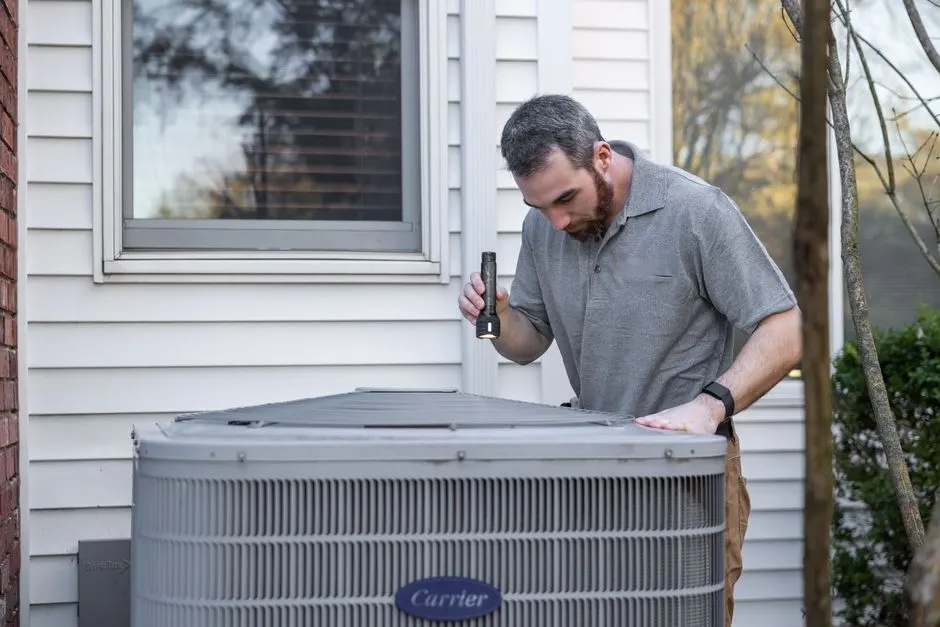
HVAC Mold Inspection in Farmington is a building assessment that checks heating and cooling equipment and accessible air pathways for visible mold, moisture, and conditions that support growth. We examine the air handler, evaporator coil area, drain pan, condensate line, filter slot, supply and return openings, and nearby insulation where accessible. A moisture meter and hygrometer help us document dampness and humidity; a borescope can view selected concealed sections without opening large areas. We distinguish visible growth from ordinary dust and explain when laboratory sampling would add useful information. Farmington's cold winters, humid summers, and seasonal temperature swings can leave ducts, basements, and attic transitions vulnerable to condensation or hidden leaks. In older homes near the Farmington Historic District, equipment layouts and insulation levels vary, while newer tightly sealed houses can have different ventilation and humidity issues. Our air duct mold inspection Farmington CT service follows odor complaints, water damage, a clogged condensate line, or visible spotting. If you are arranging an HVAC mold inspection near me Farmington CT, we trace moisture conditions as well as the visible symptom.
! Common warning signs
Musty odor appears only when the HVAC system starts
The odor may come from a damp coil cabinet, drain pan, filter area, or a separate room pulled into the return-air path, leaving the true source unresolved.
Water collects near the air handler or condensate drain
Standing water can wet insulation and adjacent materials, creating persistent dampness and the conditions for mold growth if the cause continues.
Dark spots appear inside a vent or duct opening
The discoloration could be dust, staining, or growth; guessing may lead to unnecessary treatment or leave a moisture problem untouched.
Inspection scope
What your HVAC inspection includes
The inspection covers accessible HVAC components and nearby areas that could hold moisture or visible growth. We document observations, take relevant readings, and explain limitations caused by sealed or concealed sections. Laboratory sampling, duct cleaning, equipment repair, and mold remediation are separate services chosen when findings support them; we explain those options rather than treating them as automatic parts of an inspection.
-
01
Accessible component review
We visually inspect the air handler, filter area, drain pan, condensate line, coil cabinet where accessible, and selected supply and return openings. We record signs of water, visible growth, dust buildup, or damaged insulation and note where system design limits access.
-
02
Moisture and humidity checks
We measure relative humidity and use a moisture meter on relevant surfaces, comparing suspect areas with nearby dry material. Readings help show whether moisture is present at the time of the visit; they do not identify mold species or prove past conditions.
-
03
Photo documentation and explanation
We photograph accessible areas of concern and connect each observation to its location in the system. You receive a plain-language explanation of what is visible, what remains concealed, and what maintenance, repair, or further investigation would address the finding.
-
04
Actionable next-step guidance
We outline practical options such as correcting a blocked drain, repairing a leak, replacing damp insulation, arranging targeted sampling, or contacting an HVAC contractor. Recommendations follow the observed conditions, so you can prioritize work instead of treating every vent or surface alike.
Clear answers for your HVAC system
A focused inspection helps you separate an HVAC moisture problem from dust, a plumbing leak, or growth elsewhere in the building. We document accessible findings, explain what needs attention first, and give you a practical next step instead of a vague recommendation.
Book inspectionTools and inspection methods
Protimeter moisture meter
We use a moisture meter to compare suspect surfaces with nearby materials and identify dampness around HVAC equipment. Readings support the visual inspection; they do not identify mold or establish its species.
FLIR thermal imaging camera
Thermal imaging highlights temperature patterns around ducts, ceilings, and equipment cabinets that may warrant closer investigation. We confirm concerns with direct observation or moisture readings rather than treating an image as proof of mold.
Borescope
A borescope provides a limited view inside selected accessible openings when direct line of sight is unavailable. It helps document concealed surfaces without broad disassembly, but it cannot represent every part of a duct system.
Zefon air sampling pump
When air sampling is appropriate, an air sampling pump draws a measured volume through a sampling cassette. We select locations based on the inspection question and interpret results alongside building conditions, not as a stand-alone diagnosis.
Local inspection
Farmington's seasonal shifts create different HVAC moisture patterns: summer humidity can burden cooling equipment, while winter temperature differences can produce condensation on cold ducts or near exterior walls. We ask when the odor or wetness appears and whether it changes with system operation, then inspect the air handler and nearby building areas in that context. In older homes, additions and remodeled mechanical layouts can leave duct runs passing through basements, attics, or crawl spaces with different temperatures and ventilation. Newer homes can be tightly sealed, making humidity management and exhaust ventilation important parts of the picture. Our air conditioner mold inspection Farmington Connecticut visit checks accessible components, surface moisture, and signs of drainage trouble. If you are scheduling air duct mold prevention Farmington Connecticut work, we focus on the cause, such as a blocked condensate line or damp insulation, rather than offering a generic cleaning recommendation. We follow applicable safety guidance and explain when a qualified HVAC contractor, remediation professional, or laboratory analysis is the right next step.
How HVAC inspections work in Farmington
- • Downtown Farmington
- • Farmington Historic District
- • Farmington Woods
- • West Farmington
Inspection outcomes
Same-day inspection when scheduling allows
Clear timing and preparation
For urgent concerns, call (860) 400-9313 and tell us whether you have active water, a strong odor, or visible material near the HVAC system. We discuss the next available appointment and the access needed for an efficient visit; same-day availability varies with the schedule. A standard residential inspection takes about 1.5 to 3 hours, and a second system or limited access can extend that time. Our technician brings moisture measurement and inspection equipment suited to accessible HVAC areas, along with protective supplies for routine inspection work. You can help by clearing a path to the air handler, noting which rooms smell musty, and sharing any known leak or filter changes. If your concern involves air duct mold inspection Farmington CT, we will focus on the duct openings and connected equipment while checking for the moisture condition that could sustain growth.
What to expect during inspection
Discuss the concern
We begin by asking when you notice odors, whether symptoms change when the system runs, and if there has been a leak, overflow, or recent filter issue. You can point out rooms and vents that concern you. This conversation usually takes 10 to 15 minutes and helps us focus the visual inspection on relevant equipment and building areas.
Inspect HVAC components
We examine accessible air-handling components, supply and return openings, the filter slot, coil cabinet, condensate pan, and drain line. Our technician looks for visible growth, water marks, debris, and insulation damage, while noting any access limitations. We do not dismantle sealed equipment or disturb suspect material without an agreed reason and safe approach.
Measure moisture conditions
We take humidity and surface-moisture readings at relevant locations and compare them with nearby dry areas. A thermal imaging camera can help locate temperature patterns that warrant closer evaluation, but it does not identify mold by itself. We also check whether active condensation, a blocked drain, or a nearby leak is maintaining damp conditions.
HVAC inspection questions
How much does HVAC mold inspection cost in Farmington CT?
A residential HVAC inspection commonly costs about $250 to $650, with laboratory sampling adding roughly $75 to $200 per sample. The final price depends on the number of systems, access, visible concerns, and requested testing. We explain the price before starting. A straightforward single-system visit usually takes 1.5 to 3 hours; extensive duct access or multiple air handlers requires more time.
Can mold grow in my HVAC system in Farmington Connecticut?
Yes, mold can grow where dust and moisture remain together, especially around a wet drain pan, evaporator coil, or damp duct insulation. Growth does not occur simply because air passes through a system. We inspect for water sources, condensation, and visible material, then explain whether HVAC mold testing Farmington is useful. A musty odor is a reason to investigate, but it does not by itself confirm mold.
How do you clean mold from air ducts in Farmington?
First, identify and correct the moisture source; cleaning without that step invites recurrence. We inspect the affected area and determine whether targeted HVAC cleaning or professional remediation is appropriate. Porous, contaminated insulation may need removal rather than surface treatment, while duct cleaning methods depend on material and access. We do not apply antimicrobial solutions as a substitute for removing the cause or addressing affected materials.
Does HVAC mold affect indoor air quality in Farmington CT?
Mold or damp debris inside HVAC components can contribute particles and odors to indoor air when the system operates, but an inspection alone cannot measure personal health effects. We assess visible conditions, moisture, and airflow paths; air sampling can provide additional information when a specific question warrants it. If you are planning HVAC mold inspection before summer Farmington CT, checking drainage and humidity ahead of sustained cooling can help identify issues early.
Related services
Mold Inspection
A broader building inspection helps determine whether a musty HVAC odor connects to growth in another room, basement, attic, or crawl space. For Farmington customers, we compare the system findings with visible moisture patterns elsewhere, helping define whether the concern is isolated or part of a wider building issue.
Mold Testing
Testing can add laboratory information when inspection findings leave a specific question unanswered. We select sample locations based on the suspected source and explain what air or surface results can and cannot show. Farmington homeowners can pair testing with HVAC inspection rather than using results as a substitute for locating moisture.
Schedule HVAC Mold Inspection in Farmington
A musty vent, damp equipment cabinet, or recurring condensate problem deserves a clear diagnosis. Our inspection uses documented observations and practical moisture checks to guide your next step. Call Farmington Mold Inspection Pros at (860) 400-9313 to book a visit.