Mold Testing in Farmington, Connecticut
Mold Testing in Farmington, Connecticut gives you evidence when musty odors, visible growth, or past water damage leave unanswered questions. Our team checks moisture conditions, selects appropriate air or surface samples, and explains what the findings mean in plain language. If you are buying a home, managing a damp basement, or tracking a leak, professional mold testing Farmington CT helps you decide what to address next.
Service overview
Mold Testing in Farmington, Connecticut
Mold Testing in Farmington, Connecticut is a diagnostic service that measures or collects samples of suspected mold to help identify whether airborne or surface growth is present and where further investigation is warranted. We begin by discussing the concern, inspecting accessible areas, and checking moisture conditions rather than collecting samples at random. Depending on the question, we use an air sampling pump, swabs, or tape lift samples, then send applicable samples for laboratory analysis. Your report connects the results with the rooms and conditions observed, so you receive useful findings instead of an isolated number. Farmington homes face different moisture patterns: older foundations can hold basement dampness, winter heating can contribute to attic condensation, and a hidden plumbing leak can wet wall cavities before staining appears. We look for the source as well as the suspected growth. If you searched for mold testing near me Farmington CT because an odor keeps returning, we can focus sampling on the affected area and compare it with an appropriate reference location. That context helps distinguish a localized concern from a broader indoor moisture issue.
! Common warning signs
A basement odor returns after rain despite repeated cleaning
The odor can point to continuing dampness or growth behind stored items, leaving you unsure whether cleaning addressed the source or only the smell.
Dark marks appear around a Farmington bathroom ceiling
Recurring marks may reflect condensation, a roof or plumbing leak, or surface growth; treating the color alone can miss the condition causing it.
A musty smell remains after a hidden plumbing leak was repaired
Residual odor can make it difficult to know whether materials dried fully, whether concealed dampness remains, or whether additional work is justified.
Scope of work
What Mold Testing Covers
Mold Testing includes a discussion of your concern, observation of accessible conditions, and a sampling plan matched to the question. When laboratory analysis is selected, we document sample types and locations and explain the results. Testing does not automatically include opening walls, repairing leaks, removing affected materials, or a health diagnosis; those needs require separate work. We identify what the samples can establish before collection, so you know what information to expect.
-
01
Concern and history review
We ask about odors, visible marks, water events, and the rooms involved. Your answers help focus the visit on a useful question, such as whether a particular surface shows mold-related material or whether airborne sampling is appropriate. We also note prior repairs when that history affects interpretation.
-
02
Accessible moisture checks
We examine accessible surfaces and use moisture readings where useful to identify damp materials or patterns. These checks do not reveal every concealed leak, but they help guide sample placement. We explain when a separate leak investigation or building opening would be needed to answer a different question.
-
03
Selected sample collection
Depending on the concern, we collect air samples with suitable equipment or take a surface sample using a swab or tape lift. Each location is documented and handled according to laboratory instructions. The plan is based on the property and question, not a fixed number of samples for every home.
-
04
Report and result discussion
We review laboratory findings alongside sample locations and observed conditions. You receive clear explanations of what the reported information means and what it does not establish. We then discuss practical follow-up, including moisture correction, additional assessment, or no further sampling when the evidence supports that choice.
Useful Answers, Clear Next Steps
Good testing should answer a specific question and help you choose a practical next step. We explain what was sampled, what the lab reported, and how moisture conditions affect interpretation, without treating a single result as a complete diagnosis.
Call todayTools and Sampling Methods
Protimeter moisture meter
We use a moisture meter to check accessible building materials for elevated moisture readings. The readings help guide investigation and sample placement, but they do not identify mold or reveal every concealed leak.
FLIR thermal imaging camera
A FLIR thermal imaging camera can show temperature differences that suggest an area deserves closer moisture evaluation. We verify relevant clues with direct checks because a thermal image alone cannot confirm water or mold.
Air sampling pump
An air sampling pump draws a measured volume of air through a collection device when airborne sampling is appropriate. We document sample locations and follow handling instructions so laboratory findings can be interpreted in context.
Hygrometer
A hygrometer records relative humidity at the time of the visit. That reading adds environmental context to concerns about condensation, damp basements, or recurring surface growth, but it is not a mold test by itself.
Local service
Farmington properties range from older homes with stone or masonry foundations to newer construction with finished basements and tightly sealed living areas. Each building presents different moisture clues. During cold November weather, attic condensation and window-side dampness deserve attention; spring rain can expose foundation seepage, while humid summer conditions can make a basement feel persistently damp. Our technicians check accessible materials and choose samples based on the concern, not the season alone. Farmington Connecticut mold testing is most useful when we connect lab findings with the room, moisture readings, and the history of a leak or repair. If you need mold sampling for real estate Farmington, we document the areas examined and explain what the results can support before your next decision. We follow applicable laboratory procedures and relevant public-health guidance, and we do not claim that a sample alone proves the condition of an entire building. From Downtown Farmington to Farmington Meadows, we plan for property access and the specific concern you describe.
How Testing Works Around Farmington
- • Downtown Farmington
- • Farmington Historic District
- • West Farmington
- • Farmington Woods
Before and after
Responsive Mold Testing in Farmington
Clear timing from first call
When you call, we ask what happened, which rooms are affected, and whether water is still entering. For urgent concerns, we aim to respond the same day when scheduling permits; routine visits are commonly arranged within 1 to 3 business days. A focused sampling visit often takes 1 to 3 hours, depending on access and sample count. Our technicians bring moisture-checking equipment and appropriate collection supplies, then explain which method fits your concern. Professional mold testing Farmington CT includes laboratory turnaround after samples are received, commonly 2 to 5 business days. We contact you to review the findings and answer questions about the report. If a fresh leak is active, stopping the water and protecting wet materials takes priority over sampling; we help you identify the immediate next step.
What Happens During Testing
Discuss the concern
We ask when the odor, stain, or water event began, which rooms are affected, and whether repairs have taken place. This call usually takes 10 to 15 minutes. You can share photos or water-damage details, then we identify the rooms and questions that should guide the visit.
Check visible conditions
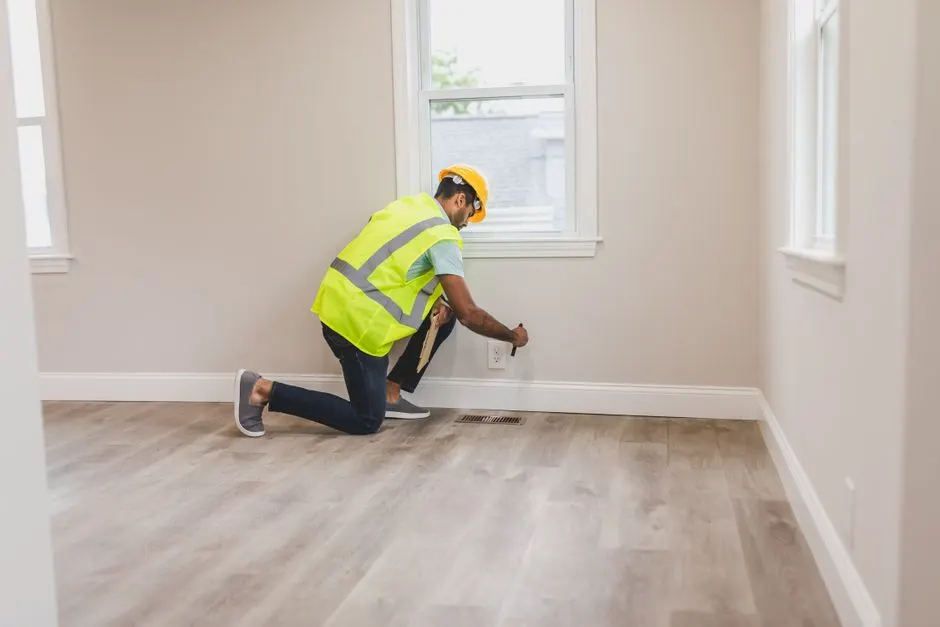
At the property, we inspect accessible surfaces and use a moisture meter or hygrometer where conditions call for it. We look for staining, condensation, and damp materials without opening walls as a routine step. This assessment helps us choose suitable sample locations and explain any areas that need separate investigation.
Choose sample locations
We select air or surface sampling based on your concern, the observed conditions, and the question the test needs to answer. An air sampling pump and sampling cassettes may be used for airborne particles; a swab or tape lift sample suits an accessible surface. We label each location so results remain traceable.
Mold Testing Questions
How much does mold testing cost in Farmington CT?
A focused residential visit commonly costs $250 to $650 in 2026, depending on sample count, access, and laboratory analysis. A basic visual and moisture assessment without lab samples costs less; multiple rooms or specialized sampling can raise the total. We explain the price before work begins. The best way to control cost is to identify the rooms and concern clearly, so sampling addresses a defined question rather than expanding without purpose.
How accurate is mold testing in Farmington, Connecticut?
A correctly collected sample can reliably describe the material or air captured at that location, but it cannot represent every room or establish a health diagnosis. Results depend on sample placement, timing, environmental conditions, and proper handling. We document those factors and interpret findings with visible conditions and moisture readings. If you are concerned about black mold testing Farmington Connecticut, species identification alone does not determine risk or replace investigation of the moisture source.
What is the difference between mold testing and mold inspection in Farmington?
Mold testing collects and analyzes air or surface samples; an inspection evaluates visible conditions, moisture, and likely sources without requiring laboratory sampling. Testing is useful when a specific question needs sample evidence, while inspection helps locate conditions that support growth. We can combine both approaches when your situation calls for it. A moisture meter or thermal imaging camera may help identify clues, but neither device identifies mold by itself.
How long do mold test results take in Farmington CT?
Laboratory results commonly arrive 2 to 5 business days after the lab receives samples, while the site visit often takes 1 to 3 hours. Timing depends on sample type, laboratory workload, and requested analysis. We explain the expected turnaround when planning your visit and contact you to review the report when it is ready. Same-day mold testing Farmington Connecticut refers to arranging collection quickly when scheduling permits, not same-day laboratory results.
Related services
Mold Inspection
An inspection looks for visible growth, moisture patterns, and likely sources before or alongside sampling. For Farmington customers, pairing inspection with testing can connect a laboratory result to the room and building conditions that matter, rather than leaving a sample result without context.
Air Quality Testing
Air Quality Testing measures selected airborne particles or conditions in a defined area. It complements Mold Testing when odors or airborne concerns remain after a water event. We select locations carefully and explain that a short sampling period reflects conditions at that time, not every future day.
Schedule Mold Testing in Farmington
A persistent odor or damp patch deserves a clear answer. Our team explains the sampling plan, expected lab timing, and upfront pricing before the visit. Call Farmington Mold Inspection Pros at (860) 400-9313 to discuss your property and arrange testing.