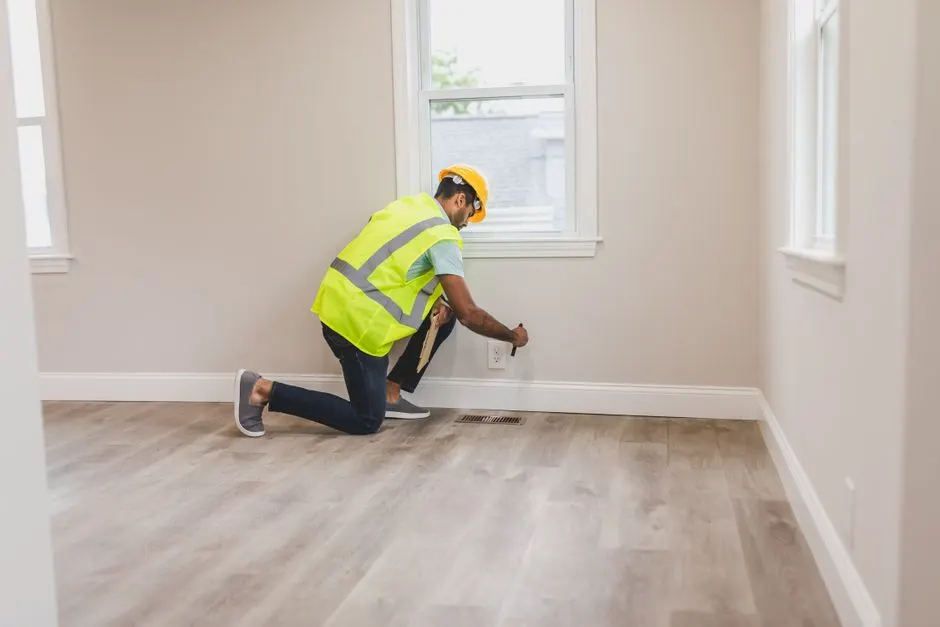
To test for mold in your Farmington home, first look for visible growth and moisture, then use targeted air or surface sampling only when the result will answer a specific question. If you find a musty odor, a water stain, or suspect hidden growth, a professional inspection can locate the moisture source and choose the right sample sites. Mold testing is a measurement process that checks selected air or material samples for mold when visual inspection alone cannot resolve a concern. In this guide, we explain where to check, how DIY kits compare with professional sampling, and what Farmington homeowners can expect to pay in 2026. The goal is a useful answer-not just a lab result without context.
How do I test for mold in my Farmington home?
The most useful first test in a Farmington home is a careful visual and moisture check; sample the air or a surface only after you have identified a question the result can answer. Start with the rooms that smell earthy or have had leaks, condensation, or flooding.
Use a bright flashlight and inspect accessible surfaces, including the back of stored items and the underside of sinks. Look for irregular spots, staining, bubbling paint, swollen trim, or a persistent damp smell. Mold is not always black, and color alone does not identify its species or risk.
Check moisture with an inexpensive digital hygrometer and, if appropriate, a pinless moisture meter. Keep indoor relative humidity near 30-50%; readings that stay above 60% deserve attention. A moisture reading is not a mold test, but it helps show where growth could be supported.
For a practical first pass, follow this order:
- Write down the room, odor, visible change, and any history of leaks or roof, plumbing, or appliance problems.
- Look for the water source, including window condensation, a slow pipe leak, or damp basement materials.
- Photograph visible conditions before disturbing them; do not scrape or dry-brush suspected growth.
- Decide whether a sample would change what you do next, then select the matching sampling method.
Our team at Mold Inspection in Farmington, Connecticut starts with the building conditions, not a test kit result in isolation. For many homes, finding and correcting moisture matters more than learning the name of every mold spore present.
Where to test for mold in a Farmington house
The best places to test for mold in a Farmington house are locations tied to moisture, visible growth, or a repeatable odor-not random rooms chosen for convenience. A sample from the middle of a dry living room may say little about a damp basement wall.
In Farmington, winter window condensation and freeze-thaw weather can leave moisture around window frames and exterior walls. Spring rain and snowmelt can expose basement seepage; during humid summer weather, poorly controlled basement humidity can keep materials damp. Check the lower corners of foundation walls, behind basement storage, around sump pits, under bathroom vanities, and near attic roof sheathing where ventilation or roof leaks are concerns.
Choose the sample location based on what you are trying to learn:
- Visible spot on a nonporous surface: a surface sample can confirm whether the material contains mold, though it does not measure airborne exposure.
- Musty room with no visible growth: air samples taken indoors and outdoors under comparable conditions can help assess whether indoor airborne levels differ from the outdoor baseline.
- Suspected concealed growth: inspect moisture patterns and building details first; a targeted sample or carefully planned opening may be more informative than broad room sampling.
If a basement smells musty after heavy rain, note whether the odor is stronger near the floor, a cold joint, or stored cardboard. In a home with a crawl space, a soil or plumbing moisture source can affect rooms above it; mold inspection in Farmington Connecticut starts with the conditions present in that specific part of the home, not a generic sampling map.
DIY mold test vs professional mold testing in Farmington Connecticut
DIY mold testing in Farmington, Connecticut, is useful for a narrow question, while professional mold testing is more dependable when you need defensible sample locations, controlled collection, or interpretation alongside a building inspection. A kit does not locate a leak or explain why mold is growing.
Many retail kits use a settle plate: you leave an open dish exposed for a stated period, then mail it to a lab or compare growth. That method can show that mold spores landed on the plate, which is common indoors and outdoors. It cannot reliably measure the concentration in room air or show that a specific room is unsafe.
Professional sampling uses a defined plan. Depending on the concern, we may collect air samples with a calibrated pump and spore-trap cassette, or take a surface sample from a visible area. Air sampling often includes an outdoor comparison sample because outdoor mold levels change with weather, vegetation, and season. A sample is collected for a set flow and duration according to the method; the lab reports the material it identifies.
Professional Mold Testing in Farmington, Connecticut is most useful when the results will guide a decision, such as investigating a persistent odor, documenting conditions before or after remediation, or comparing an affected room with a control area. We pair samples with visual observations and moisture readings so you can connect the lab report to the home.
For many small areas of visible growth-roughly under 10 square feet-the Environmental Protection Agency's general guidance is that sampling is often unnecessary if the source is clear and the material can be safely addressed. Larger areas, hidden damage, recurring growth, or health concerns call for a more deliberate plan. Do not rely on a test to decide whether obvious mold needs attention.
What mold testing costs in Farmington, CT
Mold testing cost in Farmington, CT, commonly ranges from about $300 to $700 for a residential inspection with a limited set of samples; additional samples or complex access can bring the total to $800-$1,200 or more. Typical 2026 pricing in this area depends on travel, the number and type of samples, lab analysis, and whether moisture investigation is included.
A single surface sample may cost less than a plan with indoor and outdoor air samples, but the cheapest test is not always the most useful. Ask what question the proposed samples answer and whether the fee includes the site visit, laboratory analysis, and a written interpretation. We provide upfront pricing before work begins.
Sampling costs should also be weighed against the likely next step. If a bathroom fan is venting into an attic or a basement wall is wet, correcting that condition is essential whether a lab identifies one mold type or another. Testing cannot substitute for repairing the moisture source.
Common mold testing mistakes to avoid
The most common mold testing mistakes in Farmington homes are collecting samples without a clear question, disturbing growth before inspection, and treating a lab result as a complete diagnosis. A number on a report needs context.
A DIY kit can be misleading if it sits near an open window, air vent, or recently disturbed dust. Household activity, cleaning, HVAC operation, and outdoor conditions can affect airborne samples. Follow the sampling instructions exactly, and do not compare results from different methods as if they measure the same thing.
Watch out for these avoidable errors:
- Testing only the room where you spend the most time instead of the dampest or mustiest area.
- Assuming a negative air sample rules out growth inside a wall, under flooring, or in an attic.
- Calling a mold "toxic" based only on its color or a home test kit.
- Painting or sealing a stain before checking whether the material is still wet.
- Sampling after bleach or another cleaner has been applied, which may alter the surface condition.
Do not cut into drywall or pull up flooring just to look for mold. If you suspect hidden growth, note the odor and moisture clues and have the area assessed before opening the assembly.
When to call a professional in Farmington
A professional mold inspection in Farmington, Connecticut, is the right next step when a musty smell persists, growth returns after cleaning, water damage affected porous materials, or you suspect mold behind a wall or above a ceiling. We investigate the likely moisture source, inspect accessible areas, and choose samples only when they add useful information.
Call promptly after a plumbing leak, roof leak, or basement water event if building materials remain damp for more than 24-48 hours. Mold can begin growing on wet materials within that window, especially when indoor humidity stays high. If there is a large affected area, sewage contamination, or someone in the home has significant respiratory symptoms, avoid disturbing the material and arrange an assessment.
Farmington Mold Inspection Pros can help you decide whether you need visual inspection, moisture mapping, air sampling, or a surface sample. Our Air Quality Testing in Farmington, Connecticut service is appropriate when the concern centers on indoor air and the sampling plan can compare affected conditions with a useful baseline.
Before the visit, keep a short record of when the odor is strongest, which rooms are affected, and any previous leaks or repairs. Leave suspected growth undisturbed and make the area accessible. That gives us a better starting point and helps avoid spending on samples that do not answer your concern.
Frequently Asked Questions
How do I test for mold in my Farmington home?
Start with a visual check and moisture readings, then use a targeted surface or air sample if it answers a specific question. Check damp basements, bathrooms, window frames, and areas near leaks. If you cannot locate the source or the smell persists, a professional inspection can connect sampling results to moisture conditions.
Can I test for mold myself in Farmington, Connecticut?
Yes, you can use a DIY kit, but many settle plates only show that spores landed on the dish; they do not measure room-air concentration. A hygrometer or moisture meter can help identify damp conditions. For hidden growth, persistent odors, or documentation, professional sampling provides better context.
How much does mold testing cost in Farmington, CT?
A residential inspection with a limited number of samples often costs about $300-$700, while complex investigations can reach $800-$1,200 or more. The total depends on sample count, test type, access, lab fees, and whether the inspection includes moisture investigation. Ask what each proposed sample is meant to establish.
What is the best mold test for Farmington homes?
The best test depends on the problem: a surface sample suits a visible spot, while paired indoor and outdoor air samples can help investigate an unexplained room odor. No test replaces checking for water intrusion. A professional chooses the method based on the home's materials, moisture history, and the decision you need to make.
Get help with Mold Inspection in Farmington
If a musty smell, visible growth, or a recurring damp area has you concerned, Farmington Mold Inspection Pros can identify the likely source and recommend a focused testing plan. Call (860) 400-9313 to discuss mold inspection in your Farmington home.